

Garage door springs carry the full weight of the door every single time it moves, and most people never think about them until the door stops working. That oversight is exactly why knowing the signs that a garage door spring replacement is needed matters before the problem reaches a breaking point.
A spring that is wearing out does not always snap without warning, and it leaves behind clear signals that something is wrong well before a full failure occurs. Learning to read those signals early is what separates a simple repair from a costly breakdown that takes the entire door system with it.
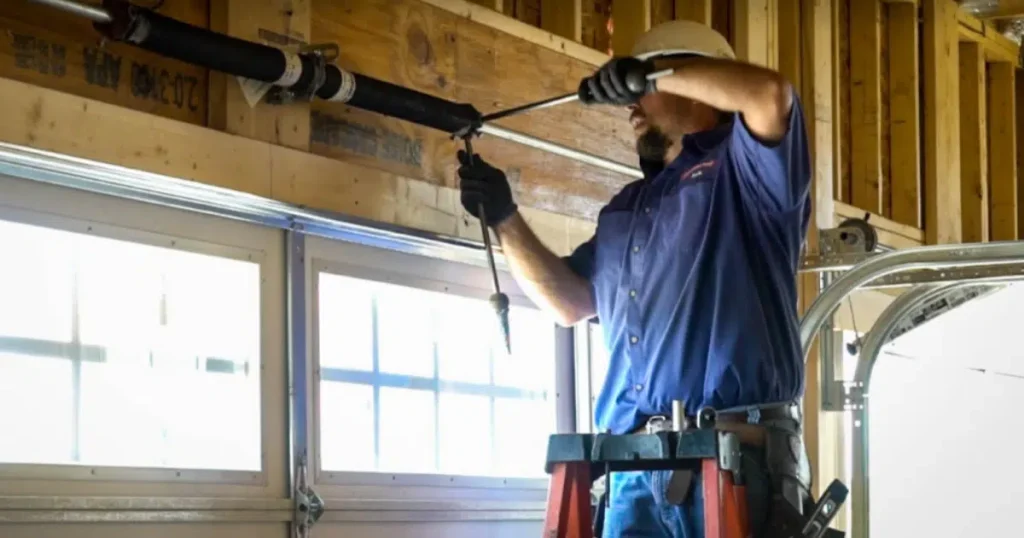
What Causes Garage Door Springs to Fail?
Garage door springs wear down over time because of the constant mechanical stress they endure with each door cycle, and that repeated strain eventually pushes them past their limit.
Common reasons garage door springs fail include:
- Every day wear from thousands of open-and-close cycles over the years
- Metal fatigue that builds up gradually under extreme tension with every use
- Rust and corrosion that weakens the coils from the outside in
- Poor lubrication that increases friction and accelerates premature failure
- An incorrect spring type was installed that does not match the weight of the door
To understand how these failure points connect to the bigger picture of spring damage, read our guide on What Causes Garage Door Spring Replacement?, which covers the most common triggers behind spring failure.
What Does a Broken Garage Spring Look Like?
A broken garage door spring leaves behind physical evidence that points directly to the source of the problem.
Common things a broken garage door spring looks like:
- A torsion spring with a visible 2 to 3 inch gap or split along the coil
- Extension springs that appear stretched out, bent, or detached from their anchor point
- Cables that have gone slack and are no longer wrapped tightly around the drum
- One side of the door hangs lower than the other due to lost spring tension
- Coils that have shifted out of position or are sitting at an angle on the torsion bar
Knowing what a broken spring looks like gives homeowners a head start before the problem affects the entire door system.
Common Signs That Indicate a Garage Door Spring Replacement Is Needed
Visible Gaps or Breaks in the Spring
Torsion springs should look like one continuous, tightly wound coil, and any visible separation is a direct sign that garage door spring replacement is needed.
Watch for these indicators on the spring itself:
- A clear 2 to 3-inch gap sits in the middle of the torsion spring coil
- Two separate spring pieces resting on the same horizontal shaft
- Coils that appear uneven, loose, or no longer tightly wound together
- Rust or corrosion is concentrated at the exact point of separation
- One section of the spring hangs lower than the rest along the bar
Visible gaps in a torsion spring confirm the coil has already reached its failure point and can no longer support the door.
The Door Feels Excessively Heavy
Working springs absorb most of the door’s weight with each cycle, and if the door suddenly feels much heavier, it means the spring system has lost its holding power.
Signs the door weight has shifted away from the springs:
- Lifting the door manually requires far more effort than it used to
- Releasing the door at the halfway point causes it to drop quickly
- Operating the opener produces a louder, more strained motor sound
- Movement feels sluggish compared to normal operation
- Disconnecting the opener reveals a door that barely budges by hand
Excessive door weight is one of the most telling signs that the springs are no longer carrying the load they were installed to handle.
A Loud Bang or Snapping Sound at the Point of Break
Spring breaks occur under extreme tension, and the release of that stored energy produces a sound that is impossible to ignore, whether inside or outside the garage.
Common observations homeowners report after a spring snap:
- A sudden loud bang that resembles a firecracker or gunshot from inside the garage
- Immediate door failure follows the noise with no movement from the opener
- One or both cables drop visibly on either side after the sound is heard
- The opener motor runs its full cycle, but the door stays completely still
- No prior warning signs occur before the loud bang happens
That sudden, loud bang is the clearest sign that a broken spring has already let go, and the residential garage door is no longer supported.
The Door Refuses to Open or Moves Unevenly
Balance is everything in a garage door system, and a spring that has lost tension throws off the door’s entire operation.
Movement problems that point to a failing or broken spring:
- Pressing the remote causes the opener to run, but the door stays in place
- One side of the door rises higher than the other during operation
- A jerking or shaking motion occurs along the garage door tracks mid-cycle
- The door reverses on its own after rising only a few inches off the ground
- Visible gaps appear between the door panels and the frame during movement
Uneven movement places additional strain on the opener, cables, and tracks every time the door attempts to cycle.
Loose, Hanging, or Broken Cables
Springs and cables function as one connected system, and when a spring snaps, the cables that depend on that tension are usually the first to show the effect.
Cable conditions that follow a spring failure:
- Cables lying coiled or tangled on the floor near the base of the door
- One or both cables hang loosely away from the drum on either side
- Fraying or kinking is visible along the cable length near the anchor points
- Safety cables around extension springs are slipping out of their guides
- A gap between the cable end and the bottom corner bracket of the door
Slack or fallen cables alongside a non-functioning door almost always confirm that the spring has already failed and the system needs full professional attention.
What to Do After Noticing These Signs
Noticing a spring problem early gives homeowners a real advantage, and the steps taken right after matter just as much as the signs themselves.
Steps to take after noticing garage door spring warning signs:
- Stop using the garage door immediately to prevent additional strain on the opener and cables
- Disconnect the garage door opener to keep the motor from burning out during repeated attempts
- Avoid forcing the door open manually if it feels stuck or unbalanced
- Take note of any sounds, movement patterns, or visible damage before calling a technician
- Document the condition of the spring and cables with a photo to share during the garage door service call
To find out what drives the cost of addressing these signs professionally, read our guide on What Makes Garage Door Spring Replacement Expensive?, which covers the key pricing factors behind this repair.
Why These Signs Mean It Is Time to Call a Professional
Each of these signs indicates a level of mechanical failure that goes beyond what a visual inspection or basic adjustment can address.
What professional technicians handle during a garage door spring replacement service:
- Full inspection of the spring type and compatibility with the door weight
- Replacement of both springs together to prevent a second service call
- Assessment of cables, drums, and pulleys connected to the spring system
- Testing the opener for strain caused by a weakened spring
- Balancing the door after installation to confirm smoother operation
To weigh the pros and cons of professional installation versus handling it yourself, read our guide on Garage Door Spring Replacement: DIY or Hire a Pro, which explains why professional service consistently delivers better long-term results.
Can Naperville Homeowners Prevent Garage Door Spring Problems?
Prevention starts with understanding what wears down and taking small but consistent steps to slow that process.
Simple habits that extend garage door spring life:
- Apply a garage door lubricant to the springs every three to six months
- Schedule a professional inspection at least once a year to check the spring tension
- Test the door balance periodically by disconnecting the opener and lifting the door halfway
- Listen for squeaking, grinding, or popping sounds during normal operation
- Keep the tracks clean and free of dirt that adds unnecessary resistance
Routine residential maintenance reduces the likelihood of sudden failure and keeps the door operating as it should.
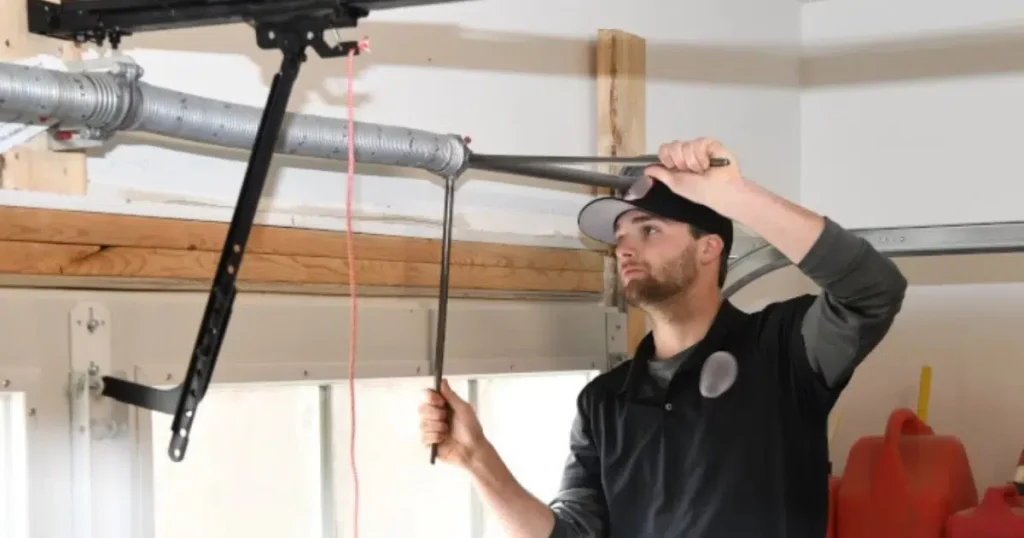
See the Signs of a Garage Door Spring Replacement Before It’s Too Late
Garage door springs give clear signals when they are wearing out, and recognizing those signals early is what separates a straightforward repair from a much larger one. Knowing what to look for puts homeowners in a better position to protect their door, their opener, and everyone who uses the garage.
Aladdin Doors Inc. has the years of experience and local knowledge that Naperville, IL homeowners trust when a garage door spring replacement cannot wait. Contact us or give us a call today and let our team inspect the system, install the right springs, and confirm proper balance before the job is done.
Frequently Asked Questions
Can both garage door springs fail at the same time?
Yes, both springs can fail simultaneously because they share the same workload and wear at the same rate. The number of springs on the door and the daily usage rate both influence how quickly they reach their limit.
How does a failing spring affect the garage door opener over time?
A weakened spring forces the opener motor to compensate for the lost tension by working harder on every cycle. Left unaddressed, that added strain affects the entire system and increases the chance of a motor burnout before the next scheduled maintenance.
Is a garage door spring repair always enough, or does the full spring need to be replaced?
Garage door spring repair is only effective when the spring retains sufficient structural integrity to maintain proper tension. A spring that has already snapped or operates under high tension with visible coil damage requires full replacement rather than an adjustment or patch.
What is the average garage door springs replacement cost for a residential property?
The cost of replacing garage door springs varies based on the type of spring, the door size, and whether both springs need to be replaced at the same time. Local labor rates in areas like Naperville, IL, also contribute to the overall cost of the service.
How long does a garage door spring typically last before showing signs of wear?
Most standard garage door springs are rated for around 10,000 cycles, which translates to roughly seven to ten years for an average household. Higher usage or lack of maintenance can push a spring to its limit well before that estimate.
What makes a garage door spring replacement different from other garage door repairs?
Spring replacement involves working with components that store significant mechanical energy, making it more complex than most other garage door repairs. Professional repair ensures the job is done with the right tools and training to release and reset spring tension without causing serious injury.
When is emergency garage door spring replacement necessary?
Emergency garage door spring replacement is necessary when a spring fails, leaving the door stuck in a position that blocks access to the vehicle or property. Getting the issue resolved quickly gives homeowners peace of mind knowing the door is safe and fully operational again.
Can a garage door spring show signs of failure without making any noise?
Yes, a spring can deteriorate gradually without producing any dramatic sounds. Gradual loss of tension, visible rust, and slight changes in smooth operation are all signs that the spring is failing quietly and that new springs may be needed sooner than expected.
How does the size of a garage door affect which spring shows signs of wear first?
Larger and heavier doors place more demand on their springs with every cycle, and the main types of springs used on bigger doors carry a heavier load than those on a single garage door. The spring type and cycle rating must match the door size to avoid premature failure.
