

A garage door spring carries the full weight of the door under extreme tension on every cycle, making it one of the most demanding components in the entire system. When that spring fails, the question of who should handle the spring replacement is one every property owner needs to take seriously.
Choosing between a DIY attempt and hiring a professional means weighing the risks and real consequences of mishandling a high-tension component. Getting that decision wrong can lead to property damage, added repair costs, and outcomes that no amount of preparation can fully prevent.
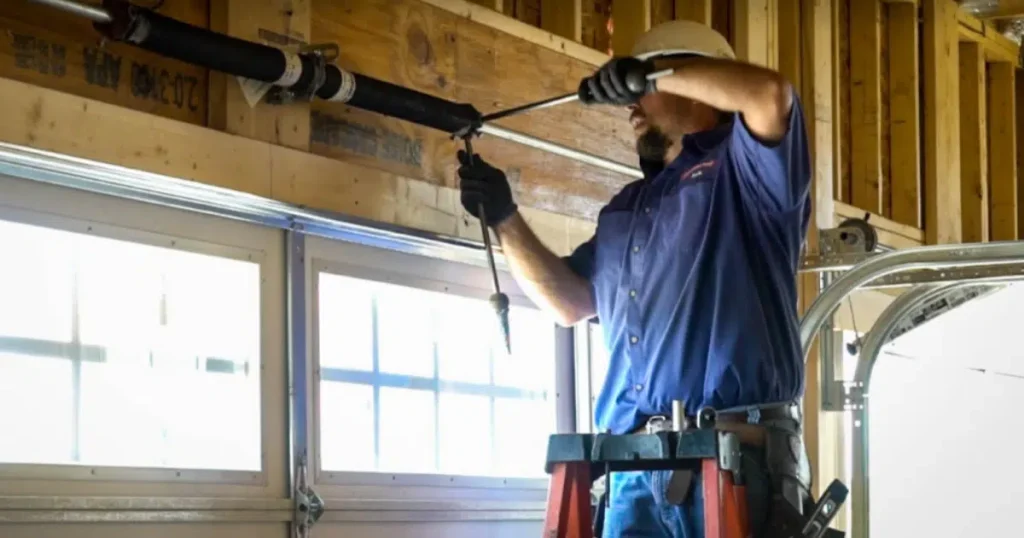
Why Knowing Who Handles Garage Door Spring Replacement Matters
Garage door springs store an enormous amount of energy with every cycle, and mishandling them without the right knowledge or tools puts both the repair and the person attempting it at serious risk.
Key reasons why knowing who should handle this job matter include:
- Each spring type carries a different tension level that requires a specific handling approach
- A mishandled spring can release with enough force to cause severe injury
- An incorrect repair puts uneven stress on the cables, drums, and opener
- Failed DIY attempts frequently result in higher costs from additional damage
- Professional technicians bring the right tools and training to complete the job correctly
To understand how these risks connect to the bigger picture of what makes this job expensive, read our guide on What Makes Garage Door Spring Replacement Expensive?, which covers every cost factor that drives up the price of this repair.
What Happens When a Garage Door Spring Breaks
A broken spring triggers a chain reaction that affects every connected component, and knowing what that looks like helps homeowners respond correctly.
What typically happens when a garage door spring breaks includes:
- A loud bang echoes through the garage as the spring snaps under extreme tension
- The door becomes too heavy for the opener to lift without straining the motor
- The lift cables lose tension and begin to fray or wrap unevenly around the drum
- The garage door tracks experience uneven pressure that causes the door to shift or jam
- Visible gaps appear in the torsion spring coils or extension springs, pulling away from their mounts
To learn what puts springs in this position before they ever break, read our guide on What Causes Garage Door Spring Replacement?, which covers the most common triggers behind sudden spring failure.
Signs a Garage Door Spring Needs Replacement
Garage door springs rarely fail without warning, and recognizing the early signs gives homeowners the opportunity to act before a full breakdown happens.
Common signs a garage door spring needs replacement include:
- The door feels unusually heavy when lifted manually
- A squeaking, popping, or rattling noise comes from the spring area during operation
- The opener struggles, slows down, or reverses before the door fully opens
- Visible rust, uneven coil spacing, or small gaps appear along the spring
- The door closes faster than normal or stops at the same point every cycle
To catch these warning signs before they become a bigger problem, read our guide on Signs a Garage Door Spring Replacement Is Needed, which covers every visual and mechanical indicator that a replacement is overdue.
DIY vs. Pro for Garage Door Spring Replacement
When to Call a Professional
Torsion spring repair carries a level of risk that goes well beyond what standard home repair experience can prepare someone for.
Situations that require a professional garage door spring replacement service include:
- Torsion springs require specialized winding bars, which most homeowners do not own
- Frayed cables run under high tension and must be handled by trained hands
- Wrong spring size installation overloads the opener and risks sudden door failure
- Professional technicians balance the door and conduct a full safety check before leaving
- Labor and parts warranties protect the homeowner from paying twice for the same job
Skipping professional residential repair service on a torsion spring job puts the entire door system and everyone nearby at risk.
When DIY May Be an Option
Prepared homeowners can handle low-tension tasks and specific spring systems without professional help.
Situations where a homeowner may handle the job independently include:
- Extension springs are less hazardous to replace than exposed torsion systems
- TorqueMaster enclosed springs reduce exposure risk with a sealed tube design
- Lubricating hinges, rollers, and tracks requires no special tools
- Visual inspections help identify wear or rust before failure occurs
- Cleaning photo-eye sensors and checking cable alignment are low-risk tasks
Misjudging the boundary between a manageable task and a high-tension repair is what turns a routine inspection into an emergency garage door repair call.
Key Factors to Consider Before Replacing Garage Door Springs
Getting garage door spring replacement right starts with evaluating the specific conditions of the door system before any work begins.
Key factors to consider before replacing garage door springs include:
- Spring type determines the tools, skill level, and risk involved in the replacement
- Door weight directly affects which spring size and tension rating is needed
- Worn cables, drums, or rollers may need attention alongside the spring replacement
- Prior mechanical experience plays a major role in whether DIY is a viable option
- The urgency of the repair influences whether a scheduled visit or emergency service is needed
Overlooking any of these factors results in an incomplete residential garage door repair, placing the door system under unnecessary strain.
What Homeowners Should Know Before Attempting DIY
Before touching any part of the spring system, homeowners need to walk through a clear set of checks that determine whether the job is within their capability.
Steps to follow during a DIY garage door spring replacement include:
- Identify the spring type before purchasing any replacement parts
- Inspect the cables, drums, and rollers for wear or damage alongside the spring
- Confirm the correct spring size by measuring the wire diameter and length
- Gather proper tools, including winding bars, safety glasses, and heavy work gloves
- Disconnect the opener and secure the door before handling any spring components
Following these steps in order gives the repair the best chance of being completed without unnecessarily straining the door system.
How a Professional Garage Door Spring Replacement Service Works
Professional garage door spring replacement covers every component in the system, not just the broken spring.
What a professional garage door spring replacement service includes:
- A full system inspection covers cables, drums, rollers, and tracks before spring work begins
- Spring type and size are confirmed based on door weight and existing specifications
- Old springs are removed using winding bars and controlled release techniques
- New springs are installed and tensioned based on door type, weight, and height
- The door is balance-tested, lubricated, and cycled before the technician leaves
Every step in a professional service visit restores the door system to full working condition without leaving any component unchecked.
What Affects Garage Door Springs Replacement Cost
Garage door springs replacement cost varies based on several factors that homeowners should understand before requesting a quote.
Factors that affect garage door springs replacement cost include:
- Spring type and size determine both material and labor complexity
- Heavier doors require stronger springs that carry a higher price point
- Local labor rates in areas like Naperville, IL, influence the overall service fee
- Emergency service calls outside regular business hours add a premium to the total
- Replacing multiple components alongside the spring increases the final bill
Getting a detailed estimate from a professional before the work begins helps homeowners understand exactly what they are paying for.
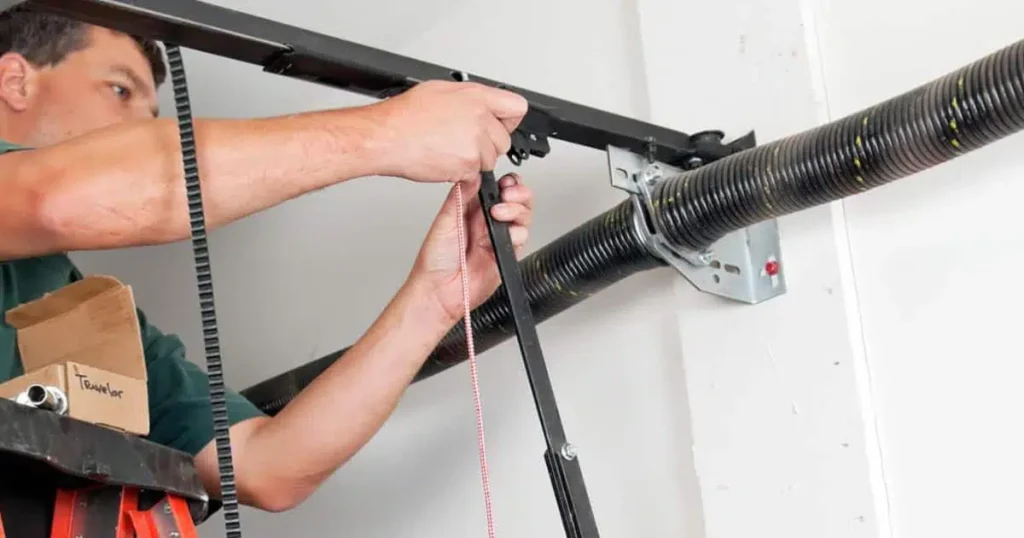
Stop Guessing and Hire the Right Pro for Garage Door Spring Replacement
Every garage door spring replacement carries a level of risk that depends entirely on who is handling the job and whether they have the right tools and training to do it correctly. Making the wrong call between DIY and professional service can put the entire door system and everyone around it at risk.
Aladdin Doors Inc. brings the experience, trained technicians, and proper tools to handle every garage door spring replacement in Naperville, IL, with accuracy and care. Contact us or give us a call today, and let our team assess the situation and restore every component of your door system to full working condition.
Frequently Asked Questions
What should I ask a garage door spring replacement service before booking?
Ask about their experience with the specific spring type on the door, what the service visit covers, and whether parts and labor are included in the quoted price. Getting a detailed breakdown before work begins helps avoid unexpected charges after the job is done.
Can a garage door spring be over-tightened during installation?
Yes, a garage door spring can be over-tightened, which puts excessive stress on the cables, drums, and the opener motor. An over-tensioned spring can also cause the door to shoot upward too quickly, which creates a safety hazard for anyone nearby.
What does a broken garage door spring look like after it snaps?
What does a broken garage spring look like depends on the spring type, but the most common sign is a visible gap or separation in the coils of a torsion spring. An extension spring that has snapped will appear uncoiled, hanging loosely, or completely detached from its mount.
How many times can a garage door spring be repaired before it needs to be replaced?
Garage door spring repair is generally a temporary measure that addresses minor tension loss or lubrication issues rather than structural damage. Once a spring shows physical breaking, significant corrosion, or coil separation, full replacement is the only practical path forward.
Is a broken garage door spring considered a home emergency?
Yes, a broken garage door spring is considered an urgent situation, especially when the door is stuck open or cannot be secured. Emergency garage door spring replacement becomes necessary when the door cannot close, leaving the property exposed and the system inoperable.
What happens if a garage door spring is not replaced promptly?
Delaying a broken garage door spring replacement puts added strain on the opener motor, cables, and rollers with every attempted cycle. Operating the door under these conditions accelerates wear across the entire system and increases the total cost of eventual repair.
How do professionals determine the correct spring replacement for a specific door?
Technicians measure the wire diameter, inside diameter, and length of the existing spring and factor in the door weight and height before selecting a replacement. Using the wrong spring size affects door balance and significantly reduces the lifespan of the new spring.
What is the difference between a scheduled and an emergency garage door spring replacement service?
A scheduled service is booked during regular business hours and typically carries a standard service rate. Emergency garage door spring replacement requires an after-hours or same-day response and usually incurs an additional service fee due to the urgency of the call.
How does hiring a pro for garage door spring replacement affect the door's long-term performance?
Professional installation ensures the spring tension, door balance, and connected components are all set to the correct specifications from the start. A properly installed spring reduces strain on the opener and extends the overall lifespan of the entire door system.
