

Garage door springs handle the mechanical load of lifting and lowering a heavy door through thousands of cycles over their lifespan. The constant tension and movement those springs endure every day gradually break down the metal until the system can no longer function as it was built to.
Understanding what causes garage door spring replacement helps homeowners recognize the problem early and avoid the chain of damage that follows when a failing spring goes unaddressed. Each cause builds up over time, and catching the warning signs before a full breakdown saves both time and money on repairs.
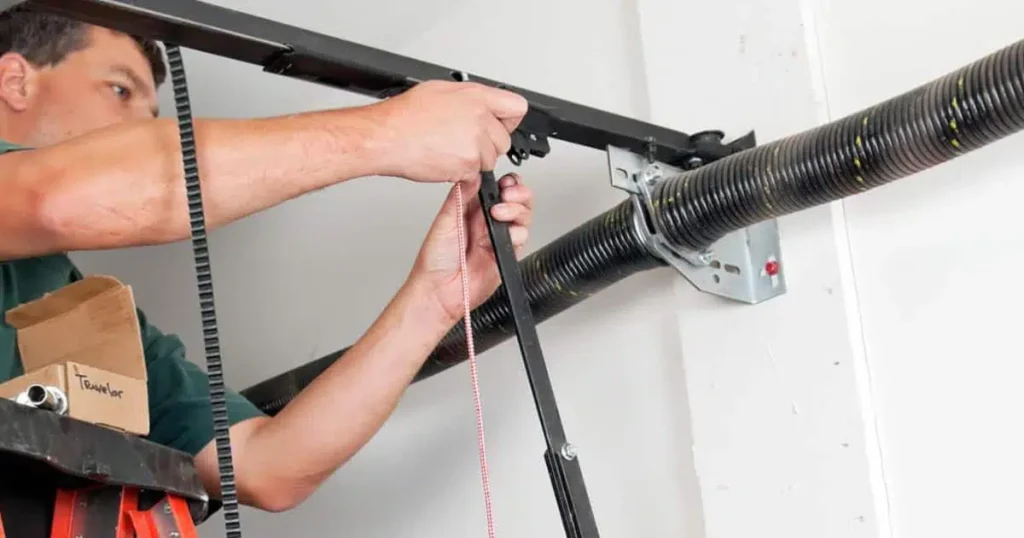
What Does a Broken Garage Spring Look Like?
A broken garage door spring leaves physical evidence that points directly to the source of the problem, and the signs are usually visible before the door stops working completely.
Common things a broken garage door spring looks like:
- Torsion spring coils with a visible gap or split along the shaft
- One side of the door hangs lower than the other due to lost spring tension
- Cables that have gone slack and are no longer wrapped tightly around the drum
- The door feels extremely heavy when lifted manually without opener assistance
- Coils that have shifted out of position or are sitting at an angle on the torsion bar
To understand how these physical signs relate to what makes this repair costly, read our guide on What Makes Garage Door Spring Replacement Expensive?, which covers the key pricing factors that affect the total bill.
Common Causes of Garage Door Spring Replacement
Normal Cycle Exhaustion
Every garage door spring is rated for a fixed number of cycles, and the metal fatigues long before any visible damage appears.
Common ways cycle exhaustion leads to spring failure:
- Standard springs handle around 10,000 cycles before the metal gives out
- Metal fatigue builds inside the coils long before any visible damage shows
- High-cycle springs last longer, but are not always installed by default
- Multiple drivers in one household burn through cycles faster than average
- Once the cycle limit is reached, no maintenance can restore the spring
High-cycle spring upgrades during a residential repair service reduce how often the full process needs to happen again.
Rust and Corrosion
Moisture is one of the most damaging forces acting on garage door springs, and it works silently until the metal weakens enough to snap.
Ways rust and corrosion break down spring integrity:
- Humidity and condensation collect directly on unprotected coil surfaces
- Rust increases coil friction and grinds the metal down faster than normal wear
- Pitting creates internal weak points that are not visible from the outside
- Factory-coated springs can hide early rust before it spreads
- Corroded springs tend to snap suddenly without gradual warning signs
Routine lubrication with a product made for metal coils creates a moisture barrier that slows corrosion and extends spring life.
Lack of Lubrication
Dry springs generate excess friction on every cycle, and that friction builds heat and stress that accelerates wear throughout the coil.
Signs that lubrication has been neglected:
- Squeaking or grinding during door operation points to dry coil surfaces
- Unlubricated springs run hotter each cycle, weakening the steel over time
- Chalky residue on the coil surface means the protective layer has worn away
- Skipping lubrication can void manufacturer warranties requiring routine maintenance
- Dry extension springs wear faster at the hooks and end loops
Keeping springs properly lubricated is one of the lowest-cost steps that directly reduces the frequency of garage door spring repairs over the life of the system.
Improper Spring Size or Overload
Installing a spring that does not match the exact weight and door type puts the system under constant stress from the first cycle onward.
Ways improper sizing and overload contribute to early spring failure:
- Wrong wire diameter or coil length leaves the spring overworked
- Insulated panel additions increase door weight without updated spring specs
- Heavy decorative hardware raises the load on every cycle
- Single spring setups on two-spring doors create uneven tension
- Mismatched spring type creates stress that the system was never built to handle
Confirming the correct spring type and size with a professional during installation is the most direct way to prevent load-related failure.
Extreme Weather in Naperville, IL
Seasonal temperature extremes place significant stress on garage door springs and shorten the lifespan of even well-maintained systems in Naperville, IL.
Ways local weather conditions accelerate spring wear:
- Sub-zero temperatures make steel less flexible and raise the snap risk
- Freeze-thaw cycles repeatedly contract and expand the metal, weakening the coil
- Summer humidity accelerates oxidation on unprotected springs
- Uninsulated garages expose the springs to the full outdoor temperature range
- Springs near their cycle limit are most vulnerable on the coldest mornings
Scheduling maintenance before winter and before summer gives the spring system the best chance of handling local climate conditions without unexpected failure.
Warning Signs of a Failing Garage Door Spring
Identifying a failing garage door spring early prevents the damage from spreading to the opener, cables, and tracks.
Warning signs of a failing garage door spring include:
- The door feels significantly heavier than usual during manual operation
- Opener strains, slows down, or makes labored sounds during cycles
- Jerky or uneven door movement during opening or closing
- Visible gaps, rust, or deformation along the spring coil
- Cables appear slack or have jumped off the drum on one side
To recognize these warning signs before they lead to a full breakdown, read our guide on Signs a Garage Door Spring Replacement Is Needed, which covers the full list of indicators that precede complete spring failure.
What Happens When a Broken Spring Goes Ignored
Leaving a broken garage door spring unaddressed puts the opener, cables, tracks, and door panels under strain they were never built to handle.
What happens when a broken spring goes ignored:
- The garage door opener overworks to compensate for lost spring tension
- Cables go slack, fray, or snap from carrying an uneven load
- Garage door tracks bend or shift from an unbalanced door
- The door becomes unpredictable and can drop without warning
- Property damage and serious injury become a real risk over time
Addressing a broken spring promptly protects the entire system and avoids a much larger residential garage door repair scope down the road.
How Professionals Handle Garage Door Spring Replacement
Professional technicians bring the tools, training, and experience needed to replace garage door springs properly without putting anyone at risk of serious injury.
What professional garage door spring replacement involves:
- Full inspection of both springs, cables, drums, and pulleys before any work begins
- Precise measurement of door weight to match the correct spring type and size
- Proper winding and tensioning of new springs using specialized tools
- Balance testing of the door after installation to confirm smoother operation
- Review of the opener, tracks, and hardware for any additional wear found during the visit
To weigh the full picture of professional installation against the diy approach, read our guide on Garage Door Spring Replacement: DIY or Hire a Pro?, which covers why professional service is the better choice for most homeowners.
How to Extend the Life of Garage Door Springs
Routine care and proper residential maintenance go a long way toward preventing premature failure and getting the most out of every garage door spring.
Ways to extend the life of garage door springs:
- Lubricate springs with a silicone-based product at least twice a year
- Schedule annual professional inspections to catch wear before it progresses
- Avoid adding weight to the door without confirming the spring specs can handle it
- Keep the garage door tracks clean and free of debris that causes extra resistance
- Test the door balance regularly by disconnecting the opener and lifting the door manually
Consistent maintenance keeps the spring system performing well and reduces the frequency of garage door spring replacement over time.
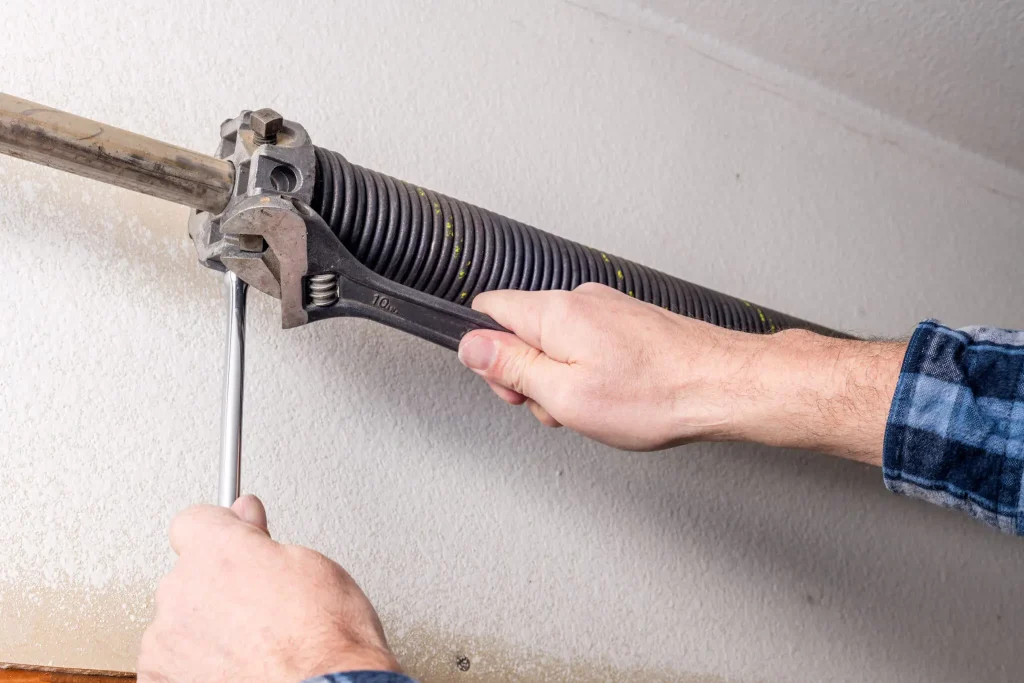
Garage Door Spring Replacement Starts With Knowing What Went Wrong
Understanding the causes of garage door spring replacement gives homeowners a clear advantage in protecting the entire door system from progressive wear. Every failure pattern points back to a root cause that becomes more expensive and disruptive the longer it goes without professional attention.
Aladdin Doors Inc. serves Naperville, IL, homeowners with professional spring replacement, accurate diagnostics, and quality service backed by years of hands-on experience. Contact us or give us a call today, and let our team assess what your spring system needs to get back to full working condition.
Frequently Asked Questions
Does replacing one spring mean the other needs replacement too?
Yes, both springs should be replaced at the same time. When one spring fails, the other has typically endured the same amount of wear and is close to failing as well.
What is the difference between a torsion spring and an extension spring?
Torsion springs are mounted horizontally above the garage door opening and wind up under torque to lift the door. Extension springs run along the sides of the door and stretch and contract to support the door's weight during operation.
How does door weight affect garage door springs replacement cost?
Heavier doors require stronger, more specialized springs, which entail higher material costs. The overall garage door springs replacement cost also reflects the additional labor required to handle larger and more complex spring systems.
Can a garage door spring fail on a brand-new door?
Yes, a spring on a brand-new door can fail if the wrong spring type was installed during garage door installation. Improper sizing puts the spring under constant stress from the first cycle onward.
What is the risk of operating a garage door with a worn spring?
Operating a door with a worn spring puts excessive strain on the opener motor and cables with every cycle. Continued use accelerates wear across the entire system and increases the likelihood of sudden failure.
When does a garage door spring issue require emergency garage door spring replacement?
A spring that has fully snapped and left the door stuck open or unable to close safely requires emergency garage door spring replacement. Leaving the door in that condition overnight exposes the home to security and safety risks.
How does garage door spring repair differ from full spring replacement?
Garage door spring repair typically addresses minor adjustments to tension or hardware rather than the spring itself. Full replacement is necessary when the spring has snapped, is corroded beyond recovery, or has reached the end of its cycle life.
How does the number of springs on a garage door affect overall performance?
Doors with two springs distribute the load more evenly across the system, reducing strain on each spring. Single-spring setups place the full door weight on a single coil, which shortens the overall service life.
Does the type of garage door material influence how often springs need replacement?
Yes, heavier door materials like solid wood place more demand on the spring system than lighter materials like steel or aluminum. Springs on heavier doors reach their cycle limit faster and may require earlier replacement.
