

Garage door springs are the mechanical backbone that counterbalances the full weight of the door on every open and close cycle. When a spring fails, the door loses its counterbalance, putting the rest of the garage door components under excessive stress that builds up with every use.
Ignoring a broken garage door spring problem accelerates the wear on every connected component until the entire system breaks down. This guide covers every sign, cause, and check that points to a broken spring so the problem can be confirmed and resolved before it leads to an emergency garage door repair.
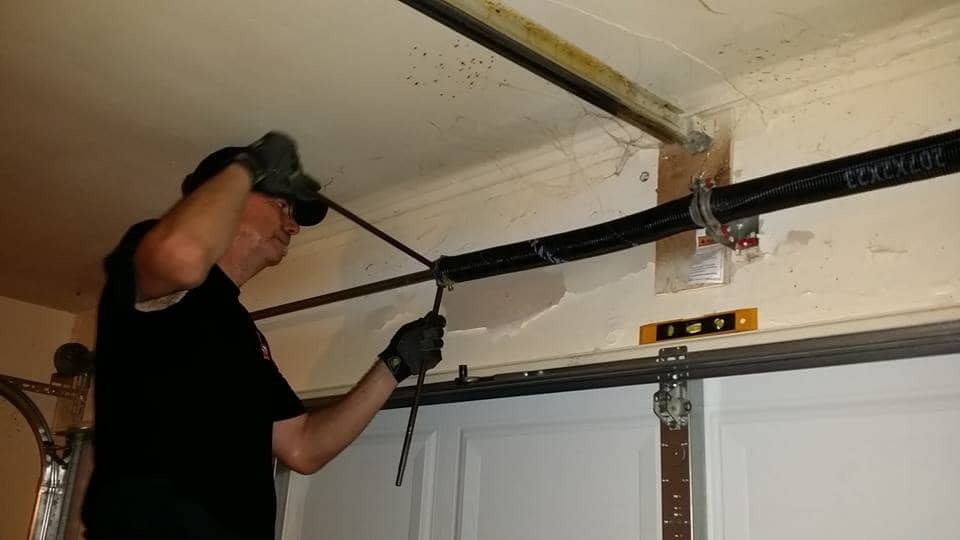
What Are Garage Door Springs and How Do They Work?
Garage door springs are high-tension mechanical components that counterbalance the full weight of the door, and they are the reason every other part of the system can function without carrying an unsustainable load.
Here is how they work on every operation:
- Stores energy when the door closes and releases it to assist the opener on the way up
- Carries most of the door’s weight, so the motor does not overwork on every cycle
- Keeps tension balanced on both sides so the door moves evenly across the track
- Reduces load on cables, drums, and rollers during every open and close
- Allows manual lifting during a power outage without putting strain on the hardware
To understand why springs reach their breaking point and what each cause means for your door, read our guide on Top Reasons Why Garage Door Springs Break, which breaks down every contributing factor and the damage each one leads to.
Types of Garage Door Springs
Garage door springs come in two types, and each one fails differently depending on where it sits and how it operates.
| Feature | Torsion Springs | Extension Springs |
| Location | Mounted above the door on a horizontal shaft | Run along the sides of the door on the tracks |
| How They Work | Twist and store energy as the door closes | Stretch and contract to lift and lower the door |
| Common In | Modern homes and heavier doors | Older homes and low-clearance garages |
| Lifespan | Longer lifespan under normal use | Wear out faster due to constant flexing |
| When They Break | Show a visible gap or separation in the coil | Split into two pieces or hang loose on the track |
| Safety Feature | Single unit above the door | Require safety cables to contain a snapped spring |
Each type has a different failure pattern, so identifying your spring type is the first step in confirming a broken garage door spring.
What Causes Garage Door Springs to Break?
Garage door springs break for specific reasons, and each one places a different part of the system under increasing stress until failure.
Key causes include:
- Normal wear from daily cycles that push the spring past its rated lifespan.
- Rust and corrosion weaken the metal coils and increase friction over time.
- Lack of lubrication that causes the coils to grind against each other.
- The wrong spring size forces the spring to operate under constant excess tension.
- Extreme temperature changes cause the metal to fatigue faster.
Any one of these is enough to snap a broken garage door spring and require professional garage door repair.
6 Signs of a Broken Garage Door Spring
Visible Break or Gap in the Spring
A gap or separation in the coil is direct physical proof that the spring has snapped and can no longer hold tension.
Watch for these visual indicators:
- Torsion springs show a clear gap or separation somewhere along the coil.
- Extension springs appear stretched out, split in two, or hanging off the track.
- Spring sits at an odd angle compared to its original mounted position.
- Coil spacing appears uneven, with one section wider than the rest.
Visible damage on any garage door spring confirms the component has failed and requires professional garage door repair before the door is used again.
Loud Bang Coming From the Garage
A sudden loud bang from inside the garage is one of the most recognized signs that a spring has snapped under tension.
Listen for these patterns:
- Sound resembles a firecracker, gunshot, or something heavy hitting the floor.
- Bang occurs without any prior warning or change in door behavior.
- Door stops responding to the residential opener immediately after the sound.
- Attempting to operate the door after the bang makes the motor strain audibly.
A snapped spring releases stored energy instantly, and the door should not be operated again until a professional technician inspects it.
Door Won’t Open or Feels Extremely Heavy
Pulling the emergency release cord and finding the door nearly impossible to lift are among the strongest indicators of a broken spring.
Key signs the door has lost its spring support:
- The door feels like a dead weight when lifted manually from the bottom.
- Opener engages but struggles to move the door more than a few inches.
- Motor runs longer than normal before stopping without completing the cycle.
- Heavy door behavior appears suddenly rather than gradually.
Dead weight resistance on a manually lifted door confirms the spring is no longer sharing the load with the opener.
Door Only Moves a Few Inches Then Stops
An opener that lifts the door a few inches and halts is responding to the resistance created by a spring that can no longer assist the motor.
Notice these operational patterns:
- The opener activates and lifts the door two to six inches before stopping completely.
- The door slams back down after the opener disengages mid-cycle.
- Repeated attempts produce the same result with no improvement.
- The auto-reverse feature triggers when the motor detects abnormal resistance.
Partial movement followed by a full stop is a clear indicator that the opener is working against the door’s weight without spring assistance.
Loose or Frayed Cables Hanging Down
Cables that hang loose on the sides of the door are a direct result of a spring that has lost tension and can no longer keep the cable system taut.
Look for these cable conditions:
- Cables hang slack along the sides of the door instead of sitting taut on the drums.
- Visible fraying or kinking near the bottom bracket or drum anchor points.
- One cable appears looser than the other, indicating a single spring failure.
- The cable has come off the drum and is coiled or bunched near the floor.
Slack or damaged cables, along with a broken garage door spring, require both components to be addressed before the door is operated again.
Crooked or Uneven Door Movement
Uneven movement during operation points directly to one spring failing in a two-spring system, while the other continues to pull its side of the door.
Watch for these movement patterns:
- One side of the door rises noticeably higher than the other during opening.
- The door appears tilted or lopsided when viewed straight on during operation.
- Rollers on the lower side skip or jump along the track.
- The door stops mid-cycle because the opener detects uneven resistance.
Uneven door movement transfers the full load onto the working spring, the tracks, and the rollers until a second failure occurs.
How to Safely Check if Your Garage Door Spring Is Broken
Checking for a broken garage door spring requires observation only, and no part of the spring system should be touched during this process.
Follow these steps before calling a professional:
- Stop using the opener immediately to prevent motor overload.
- Pull the emergency release cord and lift the door manually to test for dead weight.
- Look at the torsion spring above the door for any visible gap or separation.
- Check the extension springs along the sides for splits, loose hanging, or missing safety cables.
- Inspect the cables on both sides for slack, fraying, or drum displacement.
To confirm what these findings mean for your door’s overall condition, read our guide on Can You Still Open a Garage Door With a Broken Spring?, which covers every scenario before touching the door again.
What to Do Next After Confirming a Broken Spring
Confirming a broken garage door spring means the door is no longer operational, and every action taken from this point directly affects the condition of the entire system.
Here is what to do immediately after confirmation:
- Stop all door activity and do not attempt to operate it manually or with the opener.
- Lock the entry door connecting the garage to the home as an added layer of protection.
- Unplug the garage door opener to prevent accidental use by anyone in the household.
- Let all household members know the door is out of service until repairs are completed.
- Contact a professional garage door spring repair technician to schedule an inspection.
To know exactly what steps to take and what a professional repair visit covers, read our guide on Garage Door Spring Broken? Here’s What to Do Next, which walks through every action a homeowner needs to take after confirming a broken spring.
When to Call a Professional for Garage Door Spring Repair in Naperville, IL
A broken garage door spring repair is not a job that can be delayed or handled without professional training and specialized tools.
Here is when to call a professional:
- The broken garage door spring is confirmed through visual inspection or by dead-weight resistance.
- Opener strains, runs longer than normal, or fails to complete a full cycle.
- Cables appear slack, frayed, or displaced from the drums on either side.
- Door moves unevenly, opens only a few inches, or slams back down mid-cycle.
- Spring has not been inspected or serviced in more than a year.
Delaying a garage door service call puts every connected garage door component under increasing stress, which compounds with each attempt to operate.
Tips to Prevent Your Garage Door Spring From Breaking
Preventing a broken garage door spring starts with consistent maintenance that addresses wear before it reaches the point of failure.
Here are the most effective prevention tips:
- Lubricate the springs with lithium-based grease or silicone spray every 3 to 6 months.
- Schedule an annual residential garage door inspection to catch early signs of wear.
- Test the door balance monthly by pulling the emergency release cord and manually lifting the door.
- Replace springs approaching their cycle limit before they snap under tension.
- Keep the garage dry to slow down rust and corrosion on the metal coils.
Regular maintenance extends the life of your garage door springs and keeps the entire system working at full capacity between professional service visits.
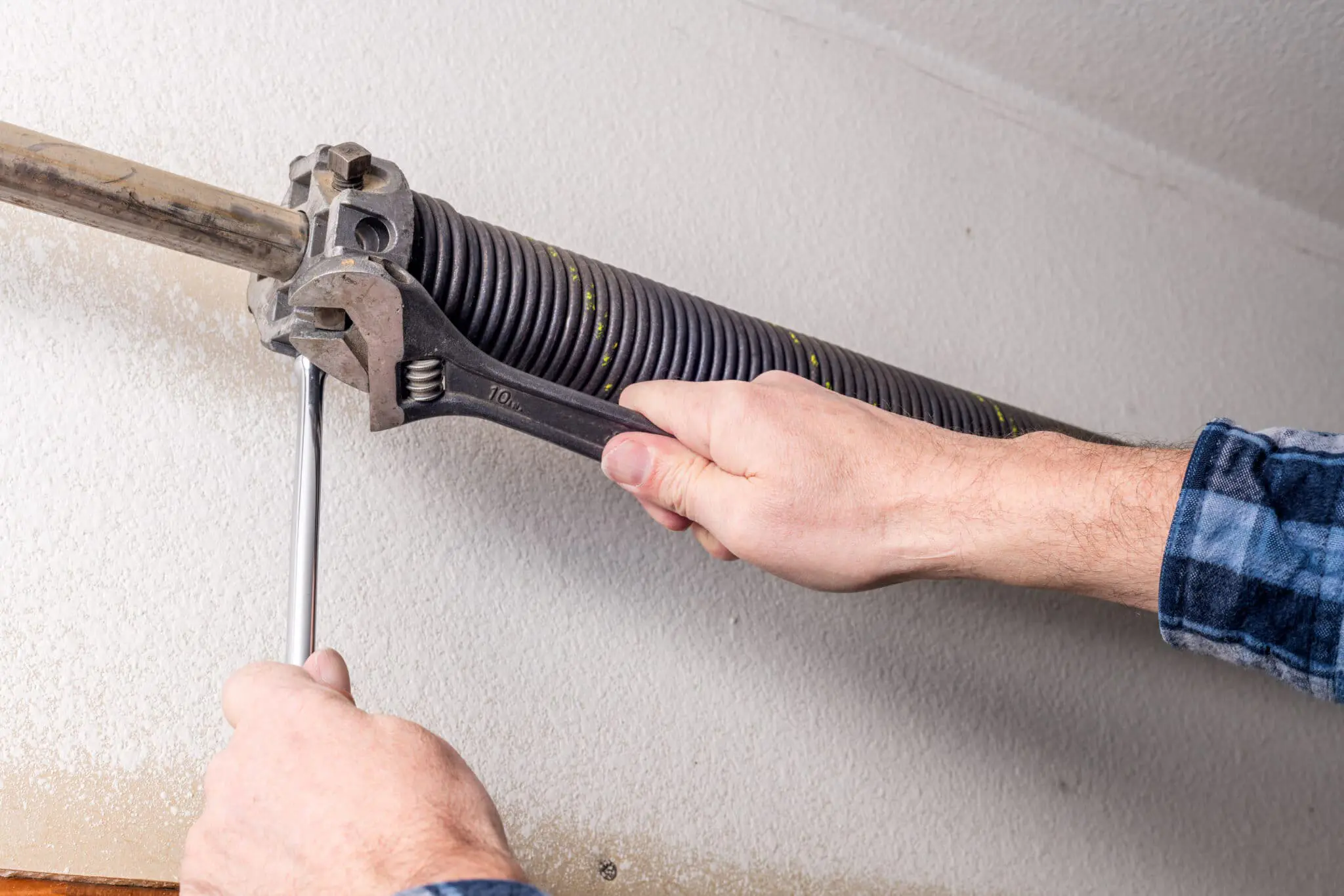
You Found the Problem, Now Get Your Broken Garage Door Spring Professionally Fixed
A broken garage door spring puts the opener, cables, and all connected components under immediate stress, which compounds with every attempted operation. Balanced garage doors rely on springs in good working order, and the door should not be operated again until the springs are professionally assessed.
At Aladdin Doors Inc., we provide professional garage door spring repair and replacement services for Naperville homeowners who need the job done correctly the first time. Our team is ready to handle everything from inspection to full restoration, so contact us or give us a call today and let us take care of it from start to finish.
Frequently Asked Questions
How much does it typically cost to repair a broken garage door spring?
The average cost for garage door spring repair in Naperville, IL, ranges from moderate to mid-range, depending on the spring type and the labor involved. Torsion springs generally cost more to replace than extension springs because of the complexity of the job.
Is it safe to open my garage door if the spring is broken?
No, operating a garage door with a broken spring is not recommended. The door becomes extremely heavy without spring support, and forcing it open can burn out the opener motor or cause the door to fall unexpectedly.
What are the common signs that my garage door spring is broken?
The most common signs include a loud bang from the garage, a door that feels extremely heavy or will not open, visible gaps in the spring coil, loose or hanging cables, and a door that moves unevenly or only opens a few inches before stopping.
Can I fix a broken garage door spring myself, or do I need a professional?
No, garage door spring replacement should always be handled by a professional. Springs are under extreme tension and require specialized tools that most homeowners do not have access to.
Do I need to replace both springs if only one is broken?
Yes, replacing both springs at the same time is strongly recommended even if only one has broken. Both springs have operated for the same amount of time, so the second one is likely close to the same point of failure.
What causes garage door springs to break?
The most common causes are normal wear from years of daily use, rust and corrosion from exposure to moisture, lack of lubrication, and using the wrong spring size for the door. In Naperville, cold winters and rapid temperature changes also accelerate the wear process.
How long do garage door springs usually last before breaking?
Most standard springs are rated for around 10,000 cycles, which translates to roughly five to nine years of regular use. High-cycle springs rated for 20,000 or more cycles are available for homeowners who want a longer service life.
Where can I buy replacement springs for my garage door?
Replacement springs are available at hardware stores and online retailers, but purchasing the correct spring requires knowing your door's exact specifications. We strongly recommend having a professional handle both the purchase and installation to ensure the right part is used.
Are there different types of garage door springs, and does it matter which one I use for replacement?
Yes, torsion springs and extension springs are not interchangeable, and using the wrong type affects how the door moves and how long the spring lasts. Always consult a professional before purchasing a replacement to make sure the spring matches your specific door system.
