

When a garage door spring breaks, the entire door system comes under immediate stress because the spring carries the full weight of the door through every open and close cycle. Without that support, the door becomes a heavy, unbalanced structure that places excessive load on the opener and cables.
Forcing the door open without spring support puts every connected component at risk of damage or failure. This article breaks down the risks and explains why calling a professional emergency garage door repair service is the most practical decision a homeowner can make.
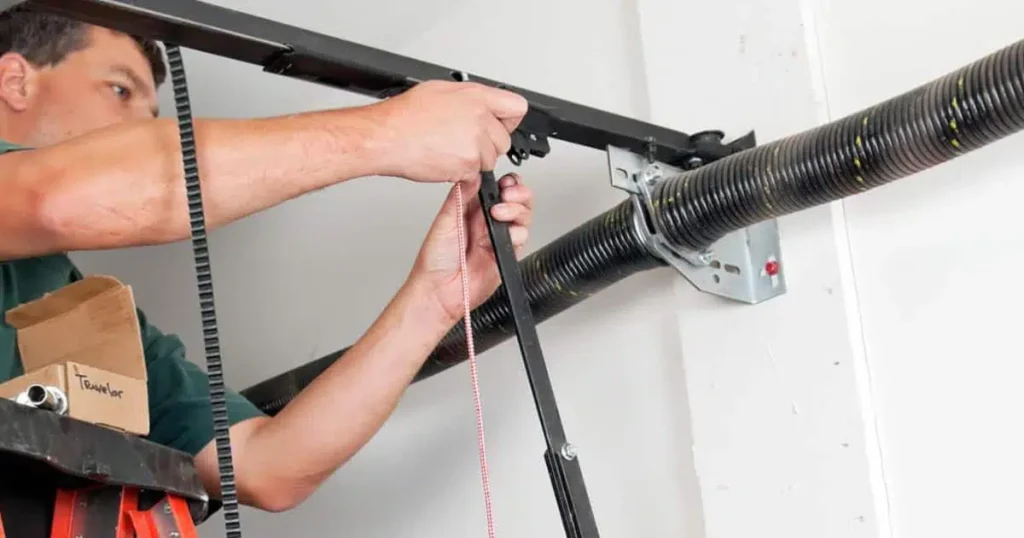
What Actually Happens When a Garage Door Spring Breaks?
A broken garage door spring shifts the full mechanical load onto every other part of the system because the spring is the only component designed to counterbalance the door’s weight through every open and close cycle.
Here is what happens the moment a spring fails:
- Counterbalance is lost, forcing the opener and cables to absorb the full weight of the door
- The opener motor strains to lift a door far heavier than it was built to handle
- Cable tension becomes uneven and pulls unevenly on both sides of the door
- Rollers and tracks experience increased friction with every attempted movement
- Continued operation puts the entire garage door system at risk of further damage
To understand exactly which warning signs appear before and after a spring fails, read our guide on How to Tell If Your Garage Door Spring Is Broken, which covers every reliable indicator homeowners notice before the damage spreads to other components.
Common Causes of a Broken Garage Door Spring
Garage door springs fail for specific reasons, and identifying which one applies to your door is the first step toward preventing the same problem from happening again.
Here are the most common causes behind a broken garage door spring:
- Normal wear weakens the coils until the spring can no longer hold tension
- Rust and corrosion increase friction and accelerate metal fatigue
- Poor lubrication causes metal to grind against metal with every cycle
- Extreme temperature changes make the metal brittle and prone to snapping
- Improper spring size puts uneven tension on the coils from the start
To learn more about what drives each of these failure points, read our article on Top Reasons Why Garage Door Springs Break, which breaks down every cause in detail so homeowners know exactly what to look for.
Signs That Tell You Your Garage Door Spring Is Broken
Recognizing a broken garage door spring early prevents damage from spreading to the opener, cables, and tracks before the repair cost grows.
Here are the most common signs to watch for:
- The door feels extremely heavy or will not open even with the opener fully engaged
- A loud bang from the garage is a clear indicator of a broken garage door spring snapping under tension
- A visible two-to-three-inch gap appears in the spring coil above the door opening
- The door jerks to one side due to uneven weight distribution across the system
- Cables appear loose or hanging off the drum due to lost spring tension
- The door opens a few inches and stops because the opener detected abnormal resistance
These signs confirm that the garage door spring is broken and that the door must be taken out of operation immediately until a professional inspection is completed.
The Risks of Opening a Garage Door With a Broken Spring
Yes, opening a garage door with a broken spring is physically possible, but it is not recommended unless there is absolutely no other option. The door can weigh anywhere from 150 to 400 pounds without spring support, and forcing the automatic opener to lift that load will likely damage the other parts.
Below are the risks every homeowner needs to understand before attempting it:
The Door Can Crash Down Without Warning
Spring tension is the only force keeping an open garage door from falling under its own weight.
Watch for these danger points:
- Counterbalance is lost the moment the spring breaks, leaving nothing to hold the door up
- The full weight of the door shifts downward instantly without spring support
- Opener and cables have no mechanism to hold the door in an open position
- The door closes with enough force to damage anything or anyone beneath it
- Even a partially open door becomes a hazard without functional spring support
Gravity takes over immediately once spring tension is gone, and the door can drop without warning at any point.
Opener Motor Gets Destroyed
Forcing the opener to move a door without spring assistance pushes the motor well beyond its operational limits.
Here is what happens inside the residential garage door opener:
- Motor draws significantly more power trying to lift a door that the spring should be carrying
- Internal gears strip under the added mechanical load of a heavy door
- The trolley arm bends or cracks when resistance exceeds what the track system allows
- Circuit board overloads when the motor runs hotter than its designed threshold
- Repeated attempts to lift the door without spring support accelerate motor failure
Running the opener without a functioning spring puts the entire drive mechanism under abnormal strain with every cycle.
Door Goes Off-Track and Damages Cables and Panels
Uneven weight distribution across a door without spring support forces the hardware into positions it cannot sustain.
Look out for these failure points:
- Rollers slip out of the track because the door no longer travels in a balanced path
- Cables fray or snap when uneven tension pulls them beyond their load capacity
- Panels crack or bend when the door shifts laterally during an attempted cycle
- Tracks warp under the lateral pressure of an unbalanced door in motion
- Hardware connecting the panels to the track loosens with every attempted operation
Every attempt to operate without a functioning spring adds measurable stress to the cables, tracks, and panels.
Serious Risk of Physical Injury
Lifting or standing near a garage door without spring support puts anyone in the immediate area at direct risk of severe injuries.
Keep these risk factors in mind:
- Garage doors weigh 100 to 400 pounds, making manual lifting without spring support dangerous
- Lifting without spring assistance strains the back, shoulders, and joints severely
- Cables losing tension mid-lift can cause the door to shift or fall without warning
- Children and pets face the highest risk when the door drops unexpectedly
- Even a partial drop from waist height carries enough force to cause severe injuries
Physical injury from a falling residential garage door is entirely preventable when the door is taken out of operation until the spring is repaired.
How to Manually Open a Garage Door With a Broken Spring (If Necessary)
Manual operation of a garage door with a broken spring poses a risk and should only be attempted when there is no other option.
Here is how to do it:
- Pull the red emergency release cord to disconnect the door from the opener
- Get at least one other person to help, since the door will be extremely heavy
- Lift from the center or with one person on each side, using legs and avoiding pinch points
- Secure the door with locking pliers or clamps on the track above the rollers
- Close and lock the door immediately once access is no longer needed
Scheduling a professional residential garage door repair right after this emergency measure prevents further damage to the entire system.
Why You Should Wait for a Professional Instead
This is a one-time emergency move, and continuing to operate the door without a functioning spring puts the entire system at greater risk with every use.
Here is why waiting for a professional is the right call:
- Garage door springs store tremendous tension that can cause severe injuries if mishandled
- Replacing a spring without proper tools leads to improper tension and balance issues
- Misaligned spring puts uneven load on the cables, drums, and tracks
- One incorrect adjustment can trigger a chain reaction of damage across the entire door system
- Professional technicians identify additional worn components during the repair that would otherwise go unnoticed
Calling a professional broken garage door repair service ensures the door is restored to proper working condition the first time.
How Professionals Handle a Broken Garage Door Spring Repair
Trained technicians follow a precise process to ensure the repair addresses the broken spring and restores the garage door system’s full performance.
Here is what professional garage door spring repair looks like:
- Cables, drums, brackets, and tracks are fully inspected before the broken spring is removed
- The replacement spring is selected based on the door’s weight, height, and existing hardware
- The new spring is wound to the precise tension required for balanced operation
- The door is tested through multiple cycles to confirm smooth and even movement
- Balance check verifies the door holds position at waist height once the opener is disconnected
To walk through exactly what comes after a broken garage door spring repair, read our guide on Garage Door Spring Broken? Here’s What to Do Next, which covers every step of the recovery process in detail.
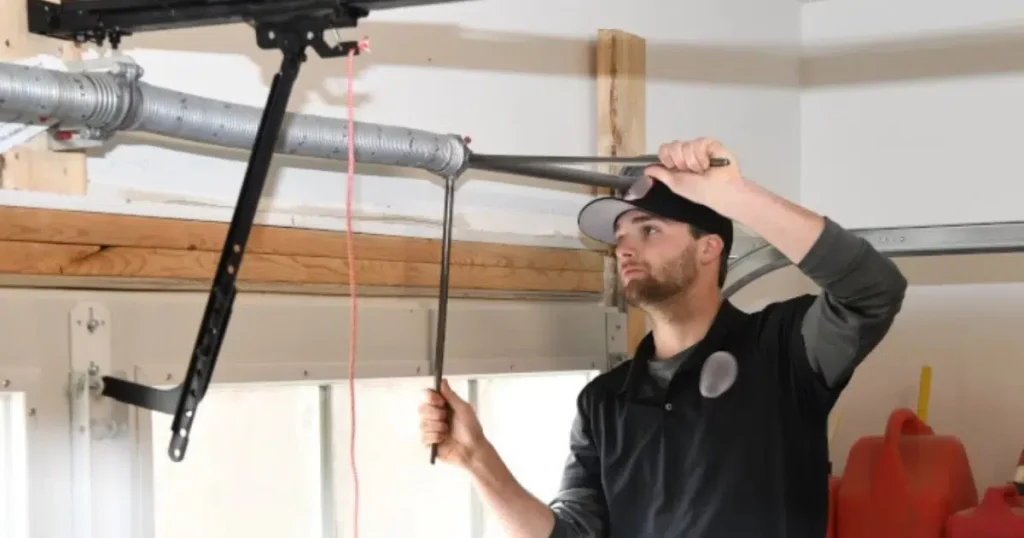
Trust the Professionals to Fix Your Broken Garage Door Spring the Right Way
Operating a garage door with a broken spring puts the opener, cables, and tracks under immediate stress, and every attempt to force it open increases the risk of a much larger repair. Stop using the door and contact a professional garage door repair service before the damage spreads to other components.
At Aladdin Doors Inc., we have helped countless homeowners in Naperville, IL restore their garage doors to full working condition with the experience the job demands. Our trained technicians handle everything from broken garage door spring repair to full system inspections, so contact us or give us a call and let us take care of the rest.
Frequently Asked Questions
Will my garage door opener still work if the spring is broken?
Yes, the opener will attempt to run, but it will struggle to lift the full weight of the door without spring support. Continuing to use it in this condition risks burning out the motor and stripping the internal gears.
How do I know if I have a torsion spring or an extension spring?
A torsion spring is mounted horizontally on a metal bar directly above the garage door opening, while extension springs run along the horizontal tracks on either side of the door. Both serve the same purpose but require different tools and installation methods during repair.
Can a broken garage door spring cause the door to fall?
Yes, a broken spring eliminates the counterbalance that holds the door in position when open. Without that tension actively supporting the door's weight, it can drop suddenly and without warning.
How long does a professional garage door spring repair typically take?
Most repairs are completed within 1 to 2 hours. The timeline depends on the type of spring, the condition of the surrounding hardware, and whether additional components need attention during the visit.
Is it possible to partially open a garage door with a broken spring?
Yes, the door may open a few inches before the opener detects abnormal resistance and stops the cycle. Forcing it beyond that point puts the opener, cables, and tracks at risk of damage.
What is the difference between a single spring and a double spring system?
A single-spring system uses a single torsion spring to support the full weight of the door. A double spring system distributes that load across two springs, which reduces wear and provides a backup if one spring fails.
How do I know if my garage door spring is broken and not the opener?
Disconnect the opener using the emergency release cord and try to lift the door manually. If the door feels extremely heavy or will not stay open on its own, the problem is the spring, not the opener.
Can a broken garage door spring affect my home's security?
Yes, a door that cannot close or stay closed properly leaves the garage vulnerable to unauthorized entry. Getting the spring repaired restores the door's ability to close and lock securely.
How soon should I schedule a repair after discovering a broken garage door spring?
Scheduling a repair within 24 to 48 hours is strongly recommended. Every hour the door remains in operation without a functioning spring adds stress to the cables, opener, and tracks.
