

When a garage door spring breaks, the door loses its ability to open and close properly, and the entire system comes under immediate stress. The opener, cables, and tracks are all connected to the spring, and each is at risk of failure if the door is used in this condition.
Because of this, there are specific steps that must be followed to protect the door system and prevent the damage from spreading further. This article walks you through every step you need to take and when to call a professional emergency garage door repair service to get the door back to working condition.
Is It Safe to Use Your Garage Door When a Spring Breaks?
A garage door with a broken spring is no longer supported by the component that carries its full weight, and continuing to use it puts every other part of the system under immediate stress.
Here is why it is not safe to use the door when a spring breaks:
- A door without spring support can drop suddenly and injure anyone standing underneath it
- The residential garage door opener motor burns out faster when forced to lift a door without spring assistance
- Cables snap under the uneven load and leave the door with no support on either side
- The door comes off its tracks when the weight distribution becomes too unbalanced to control
- One broken spring left unaddressed puts the entire garage door system at risk of complete failure
To understand whether your spring has fully snapped or is still showing early warning signs, read our guide on How to Tell If Garage Door Spring Is Broken, which covers every reliable indicator homeowners should check before touching the door.
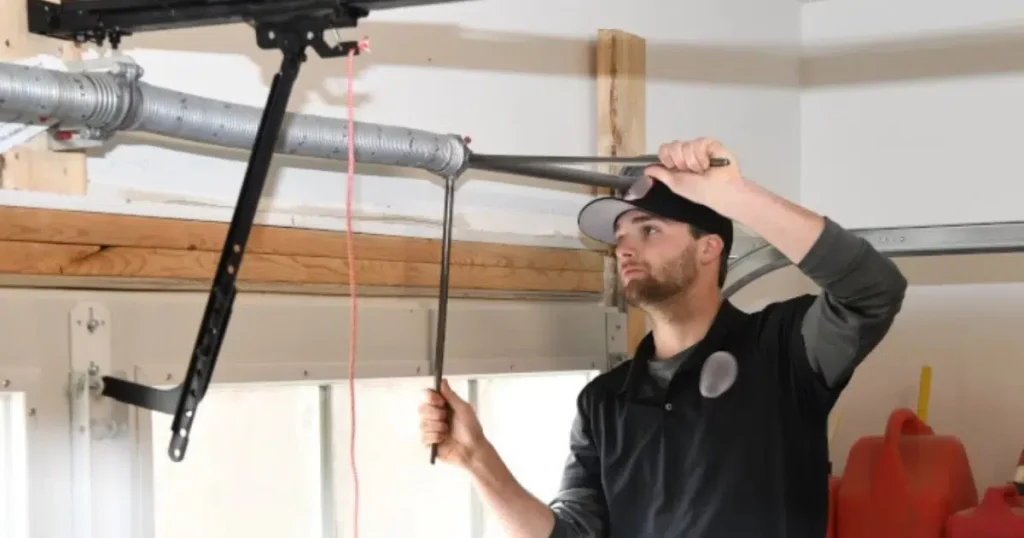
What Happens to Your Garage Door When the Spring Breaks
The spring is the only component built to carry the full weight of the door, and once it breaks, the entire system feels the impact immediately.
Here is what happens to your garage door when the spring breaks:
- Balance is lost, and the door sits unevenly on both sides of the track
- Opener performance drops, and the motor stops working mid-cycle
- Cable tension becomes uneven and causes the drums to wrap incorrectly
- Rollers grind against the tracks and create visible wear on both sides
- Door panels shift under the uneven load and begin to bend out of shape
Leaving the door in this condition without addressing the broken spring will cause further damage to every moving part of the system.
Common Causes of a Broken Garage Door Spring
Garage door springs do not break randomly, and knowing what causes them to fail can help you catch the problem before it turns into a full breakdown.
Here are the most common causes of a broken garage door spring:
- Normal wear and tear from years of daily open and close cycles
- Rust and corrosion that weaken the coils and increase friction over time
- Poor lubrication causes the spring to grind and wear down faster
- Extreme temperature changes that put added stress on the metal coils
- Wrong spring size or improper installation that forces the spring to work beyond its limits
To get a complete picture of why garage door springs fail and what puts them under the most stress, read our guide on Top Reasons Why Garage Door Springs Break, which goes through each cause in detail so you know exactly what to watch for.
Signs You’re Dealing With a Garage Door Spring Broken Problem
A broken garage door spring always leaves clear indicators that something in the system has already failed or is about to fail.
Here are the most common signs of a broken garage door spring:
- A loud bang coming from the garage is often the first sign that a torsion spring has snapped
- The door only opens a few inches before the opener stops and reverses
- One side of the door hangs lower than the other when in motion
- The door feels extremely heavy when lifted manually from the bottom
- Visible gaps or separation in the spring coil confirm a complete break
To find out what your options are once these signs appear, read our guide on Can You Still Open a Garage Door With a Broken Spring?, which covers what you can and cannot do while waiting for a professional to arrive.
What to Do Immediately After Your Garage Door Spring Breaks
Do Not Use the Door
Stop all door operation immediately because every attempted movement puts the opener, cables, and tracks under a load they cannot safely handle.
Here is why stopping all door operations immediately matters:
- Forcing the door open pulls the cables beyond their intended load capacity
- Each attempted cycle shifts more weight onto the opener motor
- Continued movement causes the door panels to bend under the uneven load
- Rollers grind harder against the tracks and accelerate wear on both sides
- Operating the door repeatedly worsens the damage to every connected component
Keeping the door completely still until a professional arrives is the most effective way to limit the damage to what is already broken.
Disconnect the Opener
Pulling the emergency release cord cuts the connection between the opener and the door and stops the motor from attempting to move a door it can no longer safely lift.
Here is how to disconnect the opener correctly:
- Locate the red emergency release cord on the center rail above the door
- Pull the cord straight down in one steady motion to disengage the trolley
- Confirm the trolley has separated from the carriage before any manual movement
- Keep the cord accessible for the technician to reconnect after the repair
- Avoid pulling at an angle, as it can damage the release mechanism
Disconnecting the opener immediately after a spring breaks protects the motor from carrying stress it was never built to handle without spring assistance.
Secure the Door if It Is Partially Open
Leaving a partially open garage door unsupported after a spring breaks puts anyone nearby at risk of the door dropping without warning.
Here is how to secure the door properly while waiting for repair:
- Place locking pliers or C-clamps on the tracks just below the bottom roller on both sides
- Tighten the clamps enough to hold the full weight of the door in place
- Keep the area clear of children, pets, and vehicles until the residential garage door repair is complete
- Do not lower the door manually without confirming the clamps are in position
- Check that both sides are equally secured so the door does not tilt
Both clamps must sit flush against the track to hold the door firmly in place before the technician arrives.
Identify the Break and Assess the Damage
Getting a clear visual on which spring has broken and what other components are affected gives the technician a head start before the repair visit.
Here is what to look for when assessing the damage:
- A visible gap in the torsion spring coil above the door confirms a complete break
- Extension springs on either side may appear stretched, detached, or hanging loose
- Check whether the cables are still wrapped evenly around the drums
- Look at the bottom corners for any signs of cable detachment or slack
- Inspect the opener carriage for any visible bending from the sudden load shift
Assessing the damage from a distance gives the technician a clearer picture of what the broken garage door spring repair will involve before work begins.
Safety Warnings and Tips Every Homeowner Should Know
Garage door springs operate under extreme tension, and handling them incorrectly puts anyone nearby at risk of severe injuries.
Here are the safety warnings every homeowner must know:
- Never touch, wind, or reattach a torsion spring without a trained professional
- Replace both springs at the same time, since the second spring is likely just as worn
- Check the cables, drums, and opener for damage before using the door again
- Keep children and pets away from the garage until the repair is complete
- Never use the door manually without securing it with clamps on both sides first
Following these warnings from the moment a spring breaks protects both the people in your home and every component of your garage door system.
Why You Should Leave Garage Door Spring Repair to the Pros
Garage door spring repair carries enough risk that attempting it without professional training and tools puts both the person and the door system in danger.
Here is why it should always be left to the pros:
- Torsion springs carry enough tension to cause severe injuries without proper tools
- Only a trained technician has the equipment to wind and set a spring correctly
- Professionals catch additional damage to cables, drums, and tracks during the same visit
- Attempting the repair without experience makes the damage worse
- Professional repairs come with a warranty on parts and labor
Leaving garage door spring replacement to a professional ensures the job is done correctly and protects every component of the system.
What to Expect From a Garage Door Spring Repair Service in Naperville, IL
A professional garage door spring repair service follows a specific process that every homeowner should know before the technician arrives.
Here is what to expect from a garage door spring repair service:
- A full inspection of the springs, cables, drums, rollers, and opener before any work begins
- Identification of the exact spring type and size needed for the door’s weight and dimensions
- Careful removal of the broken spring using professional-grade tension tools
- Installation of new springs wound to the correct tension for the door’s specifications
- Multiple test cycles after installation to confirm the door opens and closes evenly
A professional technician will not leave until the door is fully balanced, properly tested, and confirmed to be operating the way it should.
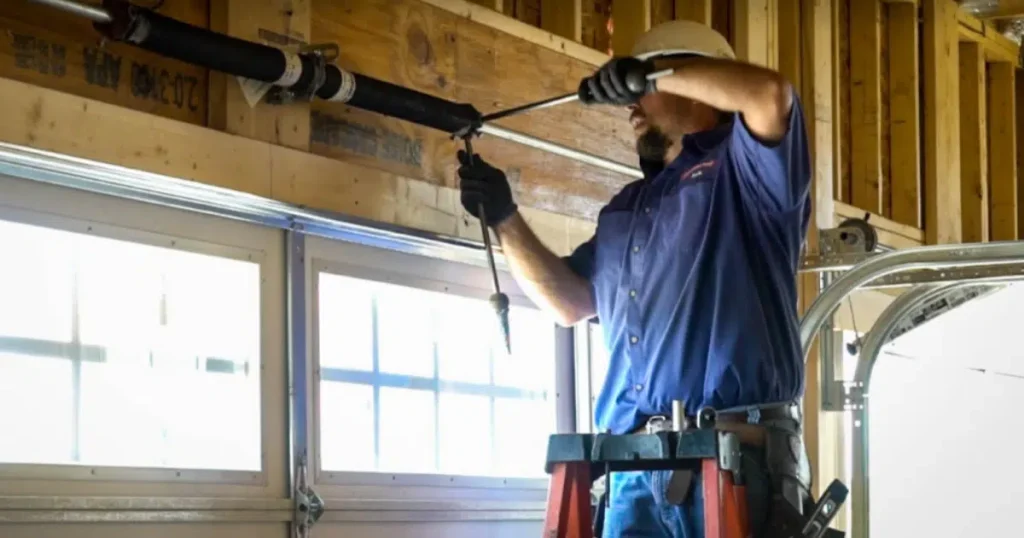
Handling a Broken Garage Door Spring the Right Way Saves Your Entire Door System
A broken garage door spring situation demands immediate action because every minute the door remains unaddressed puts the opener, cables, and tracks under unnecessary stress. Stop using the door, secure it properly, and contact a professional garage door repair service before the damage spreads.
Aladdin Doors Inc. is a trusted garage door repair service serving homeowners throughout Naperville, IL, and the surrounding areas. Our team specializes in broken garage door spring repair, full spring replacements, and complete system inspections, so contact us or give us a call and let our technicians handle the rest.
Frequently Asked Questions
Can I use my garage door opener after the spring has been replaced?
Yes. Once the new spring is installed and the door is properly balanced, the opener can be reconnected and will function normally. A technician will test the opener through several cycles after the repair to confirm everything is working correctly.
What type of spring is best for my garage door?
Torsion springs are generally more durable and longer-lasting than extension springs and are recommended for heavier doors. A professional technician will determine the correct spring type and size based on your door's weight and dimensions.
How do I find a reliable garage door spring repair service in Naperville, IL?
Look for a company with verified local reviews, proper licensing, and experience handling both torsion and extension spring systems. A trustworthy garage door company will provide a written estimate and answer all your questions before any work begins.
Can a broken spring affect how my garage door opener performs over the long term?
Yes. Operating the opener without a functioning spring places the motor under constant excessive load, which shortens its lifespan. Getting the spring repaired promptly protects the opener from taking on stress it was not built to handle.
What happens during a garage door spring inspection?
A technician checks the condition of both springs, the cables, drums, rollers, and tracks to identify any components showing signs of wear or damage. The inspection gives a complete picture of the door system before any repair work begins.
Is it normal for a garage door spring to make noise before it breaks?
Yes. Squeaking, grinding, or popping sounds during operation are common indicators that a spring is wearing down and losing its ability to function properly. Having a technician inspect the spring at the first sign of unusual noise can prevent a sudden failure.
How many times can a garage door spring be adjusted before it needs to be replaced?
A spring can only be adjusted within the limits of its original tension rating, and repeated adjustments to a worn spring significantly reduce its remaining cycle life. Once a spring has been adjusted multiple times, full replacement is the more practical option.
What should I tell the technician when I call for a broken garage door spring repair?
Let the technician know whether the door is fully closed, partially open, or stuck, and describe any sounds or movements you noticed before the spring broke. Providing this information helps the technician arrive prepared with the right tools and parts for the job.
Can regular maintenance extend the life of a new garage door spring?
Yes. Lubricating the springs every few months, checking for rust or corrosion, and scheduling annual inspections can significantly extend the life of a new spring. Consistent maintenance keeps the entire garage door system operating at its best.
