

A garage door off track is a problem that most homeowners can avoid with the right knowledge and consistent maintenance habits. Knowing how to prevent it in the first place is the most practical way to protect your door, your vehicle, and everything else inside your garage.
Prevention starts with understanding what causes a garage door to leave its track and what warning signs to watch for before the situation gets out of hand. This guide breaks down the exact steps and maintenance habits that keep an off track garage door repair from becoming a recurring and expensive problem for your home.
Why Does a Garage Door Go Off Track in the First Place?
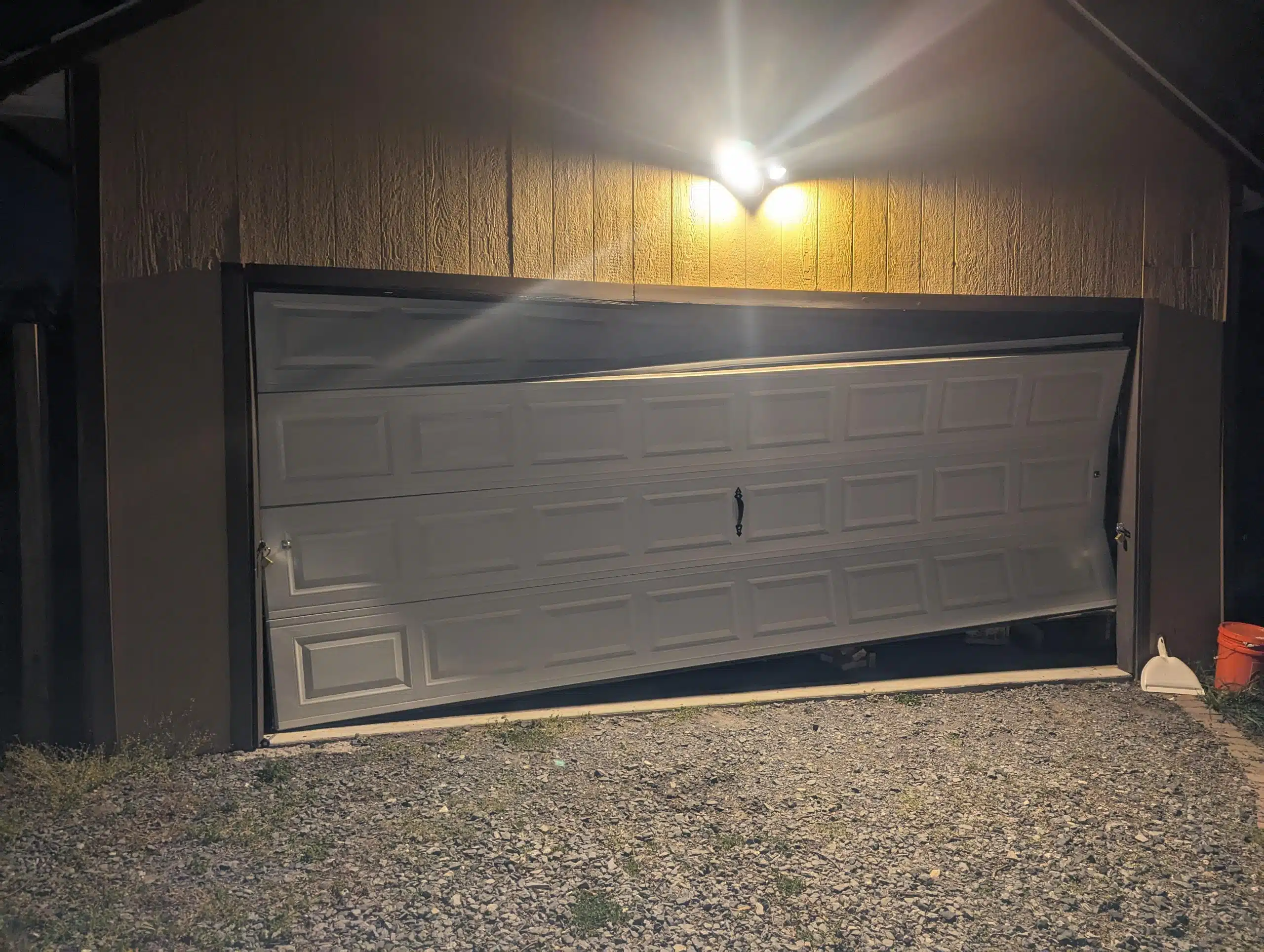
A garage door going off track almost never happens randomly, because the door has usually been experiencing gradual wear, physical stress, or neglected maintenance long before it finally leaves the track.
Common reasons a garage door goes off track include:
- Worn or cracked rollers that can no longer grip the track properly
- Loose or damaged brackets that allow the track to shift out of position
- A broken or frayed garage door cable that causes uneven movement on one side
- Physical impact from a vehicle or object that knocks the rollers out of place
- Dirt and debris buildup inside the track that blocks smooth roller movement
To understand each of these causes in greater detail, read our guide on Garage Door Off Track: Top Causes and Safe Next Steps, which covers every root cause homeowners need to know before taking any action on their door.
Warning Signs Your Garage Door Is About to Go Off Track
A garage door rarely goes off track without sending warning signals first, and knowing what to look for gives you the chance to act before the problem gets worse.
Watch out for these signs:
- Grinding or scraping noises when the door opens or closes
- Visible gaps between the rollers and the track during operation
- A crooked or uneven door that tilts to one side when moving
- A garage door opener that strains, hesitates, or reverses without reason
- Shaking or wobbling during operation that puts stress on the entire system
Once you spot any of these signs, contact a professional immediately to schedule an emergency garage door repair before the problem turns into a full derailment.
How to Prevent Your Garage Door From Going Off Track
Clean the Tracks Regularly
Dirt and hardened grease inside the track are among the most overlooked causes of roller derailment in residential garage doors.
Keep the tracks clean by doing the following:
- Wipe the inside of the track with a damp cloth every few months
- Remove hardened grease deposits that block smooth roller movement
- Avoid thick or sticky lubricants that attract dust and cause buildup
- Clear any debris lodged near the bottom of the track after storms
Well-maintained tracks give the rollers a clean, unobstructed path, keeping the door moving as it should.
Lubricate the Moving Parts Every Six Months
Friction is one of the leading causes of premature wear on garage door components, and proper lubrication helps keep it under control.
Make sure to lubricate these parts:
- Rollers and stems for smooth operation through the track
- Hinges along the door panels to reduce metal-on-metal contact
- Springs to minimize stress and reduce the risk of premature failure
- The garage door cable drum, where it contacts the surrounding hardware
Proper lubrication every six months helps ensure smooth operation and reduces wear on all moving parts of the door.
Tighten Loose Hardware Twice a Year
Vibrations from daily use gradually loosen the bolts, screws, and brackets that hold the track system in place.
Inspect and tighten these components regularly:
- Track brackets that secure the metal track to the wall and ceiling
- Bolts along the door panels that connect the hinges and roller stems
- Fasteners on the garage door opener mounting hardware
- Nuts on the bottom brackets where the cables attach to the door
Regularly tightening loose hardware keeps the track system stable and prevents misalignment from developing over time.
Inspect the Rollers for Wear and Damage
Rollers are in constant contact with the track, which makes them one of the first components to show signs of wear that lead to a garage door off track situation.
Look for these signs of roller damage:
- Cracks or chips on the roller wheel that affect smooth travel
- Rust or corrosion that causes the roller to drag instead of roll
- Flat spots on the wheel from years of friction and pressure
- Wobbling or tilting of the roller stem inside the bracket
Replacing worn rollers early prevents unnecessary stress on the track, brackets, and cables that keep the door balanced.
Check the Track Alignment Periodically
Track misalignment often develops so gradually that most people do not notice it until the door stops working properly.
Look for these alignment issues:
- Gaps between the roller and the track edge during door movement
- Sections of the track that appear bent or pulled away from the wall
- Uneven spacing between the track and the door panel on either side
- Brackets that have shifted from their original mounting position
Periodic alignment checks keep the track system functioning properly and reduce the risk of a sudden garage door off track situation.
Schedule Annual Professional Tune-Ups
Professional residential garage door inspections catch wear and structural shifts that are not visible during a basic visual check.
A professional tune-up typically includes:
- Testing the door balance to confirm the springs are carrying the load evenly
- Inspecting the garage door cable for fraying or signs of tension loss
- Checking the automatic opener force settings and reverse sensitivity
- Identifying components that need replacement before they cause problems
Annual tune-ups give homeowners in Naperville, IL, peace of mind and keep the door performing at its best throughout every season.
What to Do When Your Garage Door Goes Off Track Despite Regular Maintenance
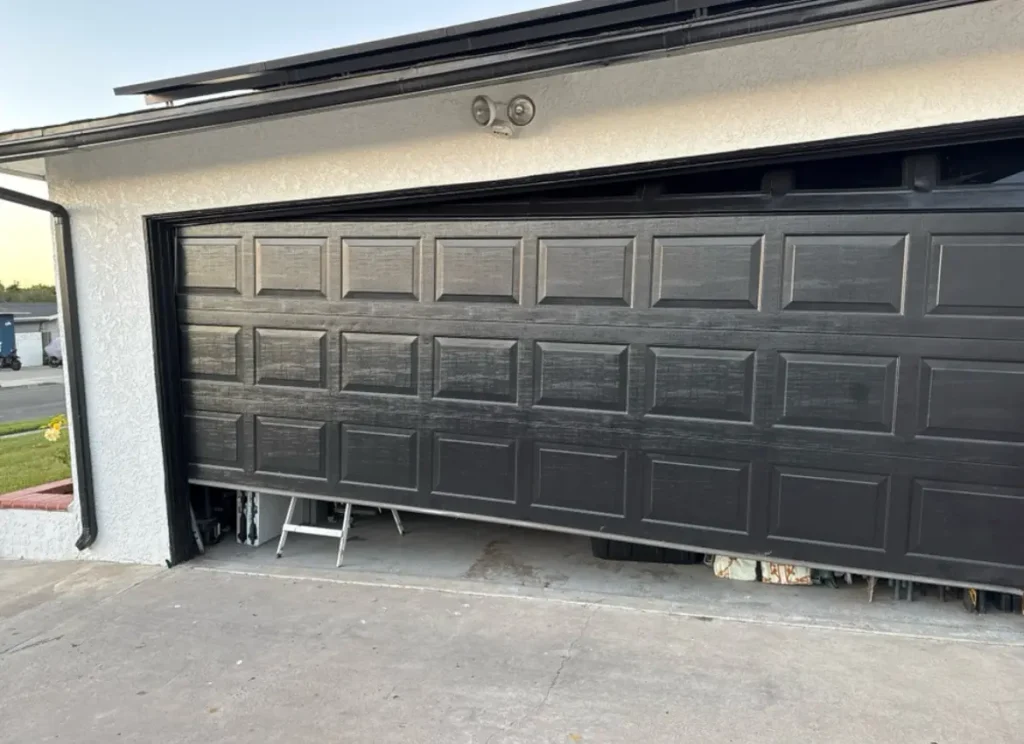
Even with consistent maintenance, a garage door off track situation can still occur and how you respond in that moment determines how much further damage is done.
Take these steps immediately:
- Stop operating the door and leave it in its current position
- Pull the emergency release cord to disconnect the automatic opener from the door
- Put on protective gloves before approaching any part of the door
- Visually inspect the tracks, rollers, and cables from a distance
- Avoid any diy fix attempts on components under extreme tension
To learn about the full scope of risks involved when a garage door goes off track, read our guide on What Are the Safety Risks of a Garage Door Off Track?, which covers every hazard homeowners need to be aware of before taking any action.
When Is It Time to Call a Garage Door Professional?
Knowing when a garage door problem is beyond basic maintenance is just as important as the maintenance itself.
Call a professional residential garage door repair technician when:
- The metal track is visibly bent, cracked, or pulled away from the wall
- The garage door cable shows signs of fraying, rust, or complete failure
- The door repeatedly goes off track after being reset
- Misalignment keeps returning despite tightening the brackets
- The garage door opener strains or fails to complete a full cycle
To find out what you should and should not attempt before calling a professional, read our guide on Is It Safe to Fix a Garage Door Off Track Yourself?, which breaks down the repair process and the risks involved.
Keep Your Garage Door on Track With the Right Maintenance Plan
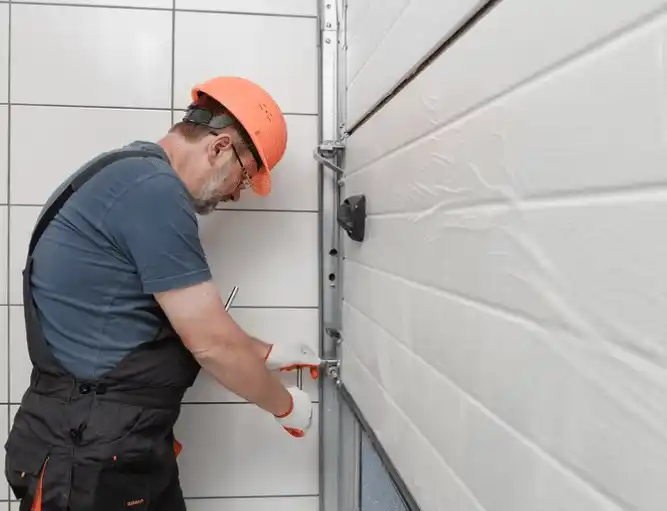
Every garage door off track situation starts with something small that was either missed or left unaddressed for too long. Building the right maintenance habits and knowing what to watch for puts you in full control of your door, your property, and everyone who relies on it every single day.
Aladdin Doors Inc. brings professional inspections, tune-ups, and expert garage door repair to homeowners across Naperville, IL, who want their door to perform reliably through every season. Contact us or give us a call today, and let our team assess what your door needs to stay in top condition year-round.
Frequently Asked Questions
How do I know if my garage door is properly balanced?
Disconnect the automatic opener using the emergency release cord and manually lift the door halfway, then let go. A properly balanced door stays in place on its own, while a door that drops or rises on its own signals a spring issue that puts extra stress on the track system.
Does the frequency of garage door use affect how often it goes off track?
Yes, and the wear adds up faster than most people expect. A door that opens and closes multiple times a day puts more stress on the rollers, brackets, and track, which means more frequent inspections and lubrication are needed to maintain smooth operation.
Can I use WD-40 to lubricate my garage door track and rollers?
No, and using it regularly can make things worse. WD-40 is a solvent that breaks down quickly and leaves behind residue that attracts dirt and grime, which builds up inside the track and creates resistance that affects roller movement over time.
How long do garage door rollers typically last before they need to be replaced?
Standard steel rollers last around 10,000 cycles, while nylon rollers can last up to 20,000 cycles with proper maintenance. Having a professional inspect them during an annual tune-up is the most reliable way to know when a replacement is due before a problem develops.
Is it possible to realign a garage door track without replacing it?
Yes, minor misalignment can often be corrected by loosening the brackets, adjusting the track back into position, and retightening the fasteners. Severely bent or structurally compromised tracks require full replacement and should only be handled by a professional garage door off track repair technician.
What type of lubricant works best for preventing problems in garage door tracks?
Silicone-based or white lithium grease is the most recommended option for garage door components. Both provide long-lasting lubrication without attracting dust or breaking down quickly, keeping the rollers moving smoothly along the track.
How do I find a qualified technician for garage door off track near me in Naperville, IL?
Look for a licensed and insured garage door company with verified local reviews and experience handling track repairs on residential doors. Asking about warranties on parts and labor before any work begins helps you find a technician who stands behind the quality of their service.
Can a garage door go off track if the opener is not properly adjusted?
Yes, an opener with incorrect force settings can push or pull the door beyond its normal travel range, which puts excessive pressure on the rollers and track. Having the opener sensitivity calibrated during a professional tune-up prevents this kind of mechanical stress from building up over time.
At what point does a garage door need full track replacement instead of just maintenance?
A track that is severely bent, cracked, or pulling away from the wall cannot be restored through basic adjustments. Garage door off track repair cost may depend on the extent of the damage and parts involved, so getting a professional assessment first helps you understand all your options.
