

A garage door that’s off track stops working as it should and becomes a much bigger problem the longer it goes without attention. The causes range from worn rollers and broken cables to loose hardware and debris buildup, and each one puts the door, the opener, and everyone nearby at serious risk.
Knowing what caused the problem and how to address it is what separates a controlled repair from a dangerous, costly full system failure. This guide breaks down the top reasons a garage door goes off track, walks you through the steps to take when it happens, and explains what off-track garage door repair involves.
Why a Garage Door Off Track Is More Serious Than It Looks
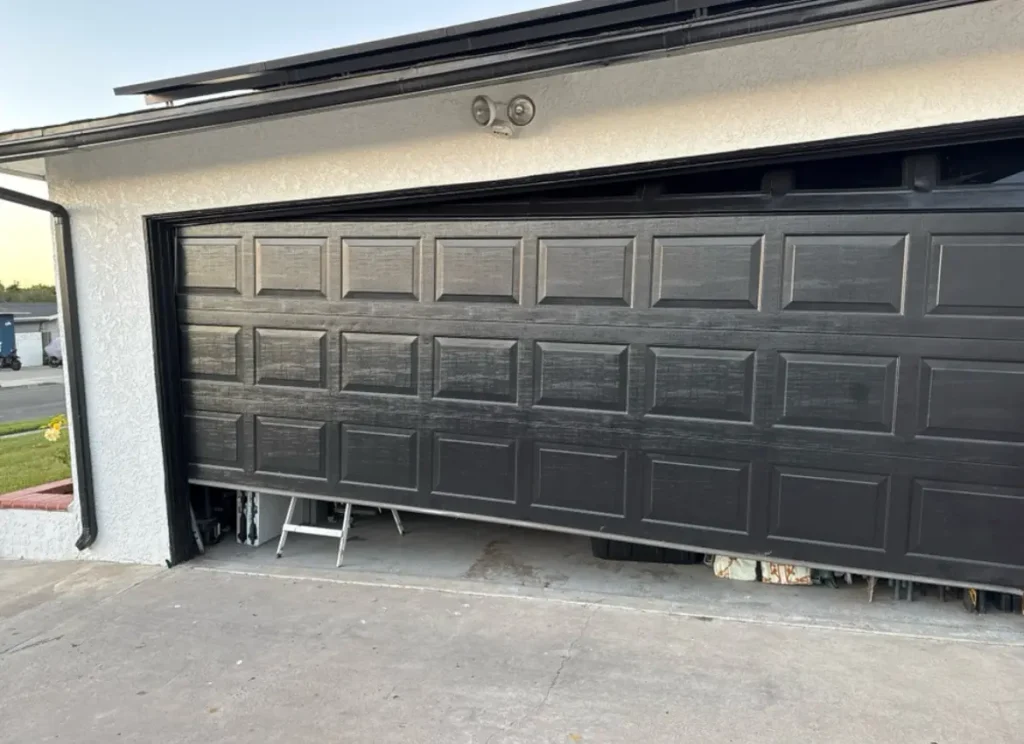
A garage door off track is not just a mechanical hiccup that can wait, because the moment alignment is lost, every connected component begins taking on stress that puts the entire system at risk of failure.
Here is why a garage door off track is more serious than it looks:
- A misaligned door puts 150 to 400 pounds of uncontrolled weight on surrounding components
- The opener keeps running through the misalignment, risking motor damage and accidental activation
- Cables and springs absorb uneven stress that accelerates wear across the entire system
- An unclosed door creates an immediate security and property damage risk
- Each use after misalignment compounds the damage and raises the garage door off track repair cost
To understand how these risks translate into real danger for your household, read our guide on What Are the Safety Risks of a Garage Door Off Track?, which covers every safety hazard homeowners should know before attempting to touch the door.
Common Causes of a Garage Door Off Track
Broken Lift Cables
Lift cables carry the full weight of the door on every cycle, and a single frayed or snapped cable is enough to pull the door out of alignment instantly.
Watch for these indicators of cable failure:
- A snapped cable causes the door to drop and pull away from the track
- Fraying along the cable signals that a full break is approaching
- Forcing the door open after a snap puts springs and rollers under a dangerous, uneven load
- Unequal tension between both sides throws the door off its path
- Cable repairs require specialized tools due to extreme tension
Recognizing cable failure early gives you the best chance of addressing the problem before it requires an emergency garage door repair.
Worn or Broken Rollers
Rollers guide the door along the track during each cycle, and worn or cracked rollers are among the most common causes of a garage door going off track.
Here is how roller deterioration leads to problems:
- Nylon rollers crack faster in extreme temperatures, while steel rollers are prone to rust
- A roller that breaks out of its housing leaves the door with no guide on that section
- Worn rollers create friction against the metal track and cause grinding sounds
- Rust buildup on steel rollers causes the door to move unevenly over time
- Replacing rollers before they fully break keeps the door moving along the track
Catching roller wear during a routine inspection is the most straightforward way to prevent a full misalignment from developing.
Bent or Misaligned Tracks
Even a minor bend in the track is enough to disrupt the roller path and cause the door to jump out of alignment during normal operation.
Common reasons tracks become bent or misaligned include:
- Direct impact from a vehicle is one of the leading causes of track damage
- Loose brackets allow the track to shift gradually away from the wall
- Metal tracks expand and contract with temperature changes and cause gradual warping
- A track even slightly out of vertical puts uneven pressure on every roller
- Misalignment at the top of the track stresses the opener on every cycle
Addressing track damage as soon as it is noticed prevents the misalignment from spreading to other components in the system.
Obstructions in the Track
Debris in the track forces the roller off its path, and even a small object can bring the door to a sudden stop or knock it completely off track.
Obstructions that commonly cause this problem include:
- Dirt and gravel collect inside the lower section of the track over time
- Rust buildup along the track interior creates rough patches that catch the roller
- Small hardware pieces, like loose bolts, can fall directly into the track channel
- Ice buildup inside the track during winter is a frequent issue in Naperville
- Leaves and outdoor debris pushed under the door block roller travel
Keeping the track interior clean and clear is one of the simplest ways to maintain smooth and uninterrupted door operation.
Loose Hardware
Vibration from daily door cycles gradually loosens bolts and brackets, and once the hardware shifts, the track moves with it.
Signs that loose hardware is affecting door performance include:
- Bolts holding the track brackets loosen over months of regular use
- A bracket pulled away from the wall causes the track to lean inward or outward
- Loose lag screws in the ceiling affect how the horizontal track sits
- Hardware loosening on one side creates uneven tension across the door
- Routine tightening during monthly maintenance prevents bracket shift
Regular hardware checks during monthly residential maintenance prevent minor loosening from becoming a track alignment problem.
Lack of Regular Maintenance
Skipping routine maintenance allows small issues to develop into the kind of mechanical failure that sends a garage door off its track without warning.
Maintenance gaps that contribute to off-track problems include:
- Dry rollers and tracks create friction that wears down components faster
- Minor rust on the track surface goes unnoticed until a roller catches and jumps
- Stretched or fraying cables are easy to spot during an inspection, but invisible when skipped
- Loose hardware tightens in minutes during a check, but causes major misalignment when left alone
- Without lubrication, every moving part works harder and wears out sooner
Consistent upkeep is what keeps every part of the garage door system working together without interruption.
What Happens When You Ignore an Off Track Garage Door
Every cycle on a door that is off track pushes the system closer to a point where a simple adjustment is no longer enough to fix it.
What happens when you ignore an off track garage door:
- The automatic opener strains harder on every cycle and burns out faster
- Cables and springs absorb uneven load and wear down across the system
- Door panels warp under the stress of misaligned movement
- A door that cannot close fully creates a direct security and property damage risk
- Safety hazard risks grow the longer the problem goes unaddressed
Scheduling a garage door service call early gives a technician the chance to correct the problem before it spreads to other components.
Warning Signs Your Garage Door Is Off Track
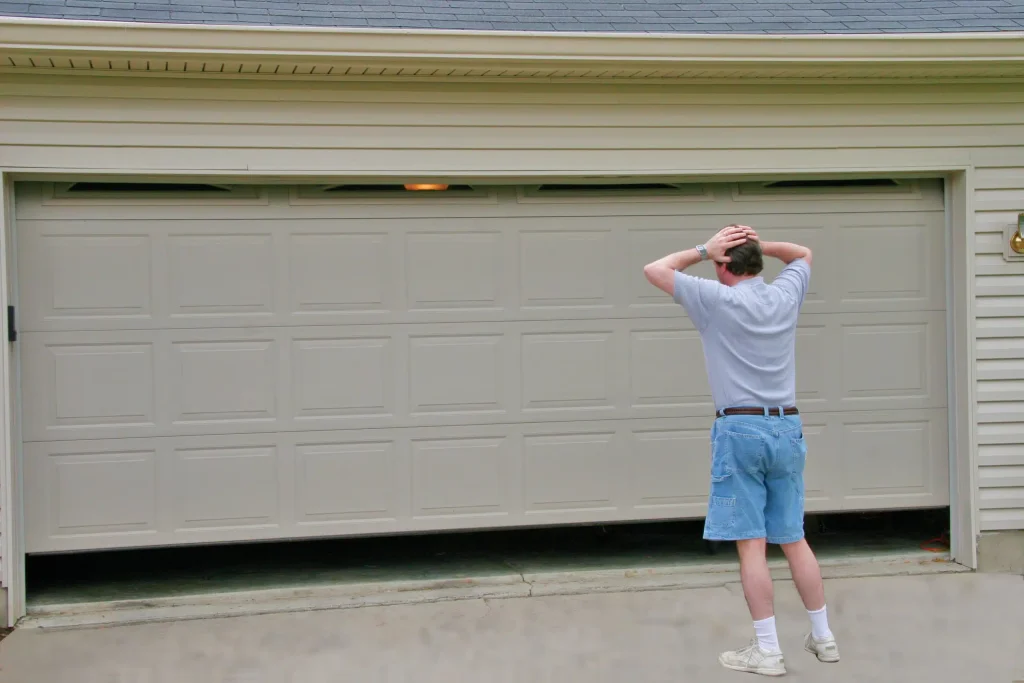
An off track garage door rarely fails without warning, and knowing what to look for makes it possible to act before the problem gets worse.
Warning signs your garage door is off track:
- Grinding or scraping sounds during operation indicate the roller is dragging against the track
- Visible gaps between the roller and track mean the door has lost its guide path
- Slow, jerky, or uneven movement signals that the door is fighting a misalignment
- A crooked or tilted door means a roller or cable has lost its position
- The opener strains, clicks, or stops mid-cycle when the track is blocked or bent
Noticing these warning signs early prevents a minor misalignment from developing into a larger garage door problem.
Safe Next Steps When Your Garage Door Goes Off Track
When a garage door goes off track, the actions you take in the first few minutes determine how much additional damage occurs before a technician arrives.
Safe next steps when your garage door goes off track:
- Stop all door operation immediately to prevent further stress on the components
- Pull the emergency release cord to disconnect the opener and prevent accidental activation
- Visually inspect the track and rollers without touching the springs or cables
- Note whether the door is tilting, gaps are visible, or cables appear loose or frayed
- Contact a qualified technician to assess the full extent of the misalignment
Taking these steps in order gives a technician the clearest picture of what went wrong and what the repair will involve.
Why Leaving Garage Door Off Track Repair to the Pros Is a Must
Garage door off track repair involves components under extreme tension that can cause serious injury when handled without proper training and equipment.
Reasons why leaving garage door off track repair to the pros is a must:
- Springs and cables can snap back and cause a serious injury without proper handling
- Controlling cable and spring tension without the right tools is not possible
- An improper DIY fix worsens the misalignment and affects the entire system
- Professional garage door repair ensures the root problem is fully corrected
- A trained technician inspects every connected component, not just the visible failure point
To find out whether handling this repair on your own is a viable option, read our guide on Is It Safe to Fix a Garage Door Off Track Yourself?, which walks through every factor homeowners need to weigh before deciding how to move forward.
How to Prevent Your Garage Door From Going Off Track Again
Keeping a garage door on track comes down to consistent maintenance habits that catch small issues before they lead to full misalignment.
How to prevent your garage door from going off track again:
- Properly lubricate rollers, hinges, and tracks every three to six months to reduce friction and wear
- Check brackets and bolts monthly and tighten anything that feels loose
- Clear dirt, debris, and rust buildup from the track interior regularly
- Watch and listen during each cycle for new sounds or uneven movement
- Schedule a professional tune-up at least once a year to catch wear that is not visible to the eye
To get a full breakdown of every preventive step, read our guide on How to Prevent Your Garage Door From Going Off Track, which covers what Naperville homeowners need to do before a problem develops.
Know the Causes, Act on the Warning Signs, and Keep Your Garage Door on Track
A garage door off track becomes a much bigger problem when the causes go unaddressed, and the warning signs are ignored for too long. Understanding what causes a door to come off its track and knowing the exact steps to take when it happens puts you in a position to protect your home and your family.
Aladdin Doors Inc. serves Naperville homeowners with accurate diagnostics, professional repairs, and dependable garage door service for every off-track situation. Contact us or give us a call today, and let our team assess what your system needs to get every component running the way it should.
Frequently Asked Questions
Is it safe to fix a garage door off track by myself?
No, it is not safe for most homeowners to attempt this repair without proper training and equipment. Springs and cables operate under extreme tension, and improper handling can cause serious injury or worsen misalignment.
What are the main causes of a garage door getting off track?
The most common causes include broken lift cables, worn or broken rollers, bent or misaligned tracks, obstructions inside the track, loose hardware, and a lack of regular maintenance.
How can I repair an off-track garage door step by step?
We strongly recommend against attempting a full repair without professional help. Stop using the door, disconnect the opener, do a visual inspection, and call a trained technician to assess and correct the problem.
When should I call a professional for an off-track garage door?
Call a professional immediately if the door is tilting, making grinding sounds, showing visible gaps between the rollers and track, or if a cable appears frayed or broken. These are signs that go beyond a simple adjustment.
What safety precautions should I follow when fixing a garage door off track?
Disconnect the garage door opener before inspecting the door, and wear protective gloves when handling hardware. Never touch the springs or cables, and keep children and pets out of the garage during the entire process.
How much does it normally cost to put a garage door back on its track?
The cost of garage door off-track repair depends on the extent of the damage and which components need attention. Minor realignments cost less, while cable or track replacements fall on the higher end, so contacting a local Naperville technician for an accurate quote is always the best approach.
Can an off-track garage door cause further damage if not fixed quickly?
Yes, every cycle on a door that is off track puts additional stress on the cables, springs, rollers, and panels. The longer it goes without repair, the more components are affected.
What tools are required to fix an off-track garage door?
Basic hardware checks may require only a wrench, pliers, and a level, but spring and cable repairs require specialized tools that most homeowners do not have. Attempting these repairs without the right tools is a safety hazard.
How do I tell if my garage door needs a new track or just a repair?
If the track has a minor bend or dent, a technician may be able to straighten it without full replacement. A track that is severely warped or has shifted along its full length will likely need to be replaced, and searching for a garage door off track near me can help you find a local technician who can assess the situation accurately.
